Contents:
- Understanding How Heat Affects Your Hair
- Does Blow Drying Damage Hair Permanently?
- The Role of Heat-Protectant Products
- Technique Matters More Than You Think
- Temperature Settings and Duration
- Distance and Directional Airflow
- Different Hair Types, Different Risks
- The Moisture Balance Factor
- Regional Climate and Blow-Drying Frequency
- Frequently Asked Questions
- Is it better to air-dry my hair to avoid damage?
- How often can I safely blow-dry my hair?
- Can damaged hair be repaired?
- What’s the difference between professional blow dryers and cheap ones?
- Do ionic blow dryers reduce damage?
- Making Damage-Free Blow-Drying Part of Your Routine
Roughly 75% of people in the UK use a blow dryer at least weekly, yet most remain uncertain about the actual damage it causes. The truth is more nuanced than a simple yes or no—and understanding the science behind heat styling can transform how you care for your hair.
Understanding How Heat Affects Your Hair
Hair is primarily composed of a protein called keratin, surrounded by protective layers known as the cuticle. When you apply heat above 140°C, you’re essentially beginning to denature this protein structure. Think of it like cooking an egg—once the heat reaches a certain point, the protein changes permanently.
The water molecules inside your hair shaft are particularly vulnerable. Excessive heat causes these molecules to rapidly evaporate, leaving your strands dry, brittle, and prone to breakage. This process is cumulative; one blow-dry session causes minimal damage, but repeated exposure without protection compounds the effect significantly.
A study conducted in 2024 showed that hair exposed to temperatures above 160°C for more than 10 minutes experienced measurable weakening in tensile strength. However, hair dried at 100–120°C with proper technique showed minimal structural damage when examined under electron microscopy.
Does Blow Drying Damage Hair Permanently?
The short answer: not necessarily, but it depends on your approach. Blow dryers themselves don’t cause permanent damage to your hair roots—your hair grows from the scalp, and damage to the shaft doesn’t affect future growth. What you’re dealing with is damage to the existing strands on your head.
The catch is that once the hair shaft is damaged, it cannot repair itself. Your body doesn’t produce the proteins needed to mend split ends or heat-induced micro-cracks. This is why prevention through proper technique and heat protection is far more effective than attempting to reverse damage.
Consider Sarah, a marketing manager from Manchester who blow-dried her hair daily at maximum heat for five years. By the time she switched to lower temperatures and protective products, her hair had become noticeably thinner and more prone to breakage. Within eight months of using a 100°C setting with heat-protectant spray, her new growth appeared significantly healthier, demonstrating that whilst past damage couldn’t be undone, halting the damage had a visible effect.
The Role of Heat-Protectant Products
Heat-protectant sprays and serums aren’t marketing gimmicks—they genuinely work. These products create a barrier between your hair and the heat source, reducing the direct temperature your strands experience by up to 15–20°C. Quality heat protectants typically contain silicones or natural oils that seal the cuticle and lock in moisture.
A reliable UK heat-protectant spray costs between £8–15 and typically lasts 2–3 months with regular use. Premium professional brands range from £18–30. When compared to the cost of intensive repair treatments (£25–50 per session) or hair extensions to cover damage (£200–600), investing in protection is significantly more economical.
Always apply heat protectant to damp hair before you touch a blow dryer. The product needs time to form a protective layer, so spray generously and allow 30 seconds before starting.
Technique Matters More Than You Think
Temperature Settings and Duration
Most household blow dryers operate between 80–150°C, though professional models can reach 160°C or higher. For everyday styling, aim for a temperature between 80–120°C. Fine or damaged hair should never exceed 100°C.
Duration is equally critical. Extended blow-drying sessions concentrate heat in specific areas, causing greater protein breakdown. Limit each styling session to 15 minutes maximum. A 2025 survey found that people in the South East of England averaged 18-minute blow-dry sessions, whilst those in the North West typically took 12 minutes—partly due to different humidity levels and hair textures across regions.
Distance and Directional Airflow
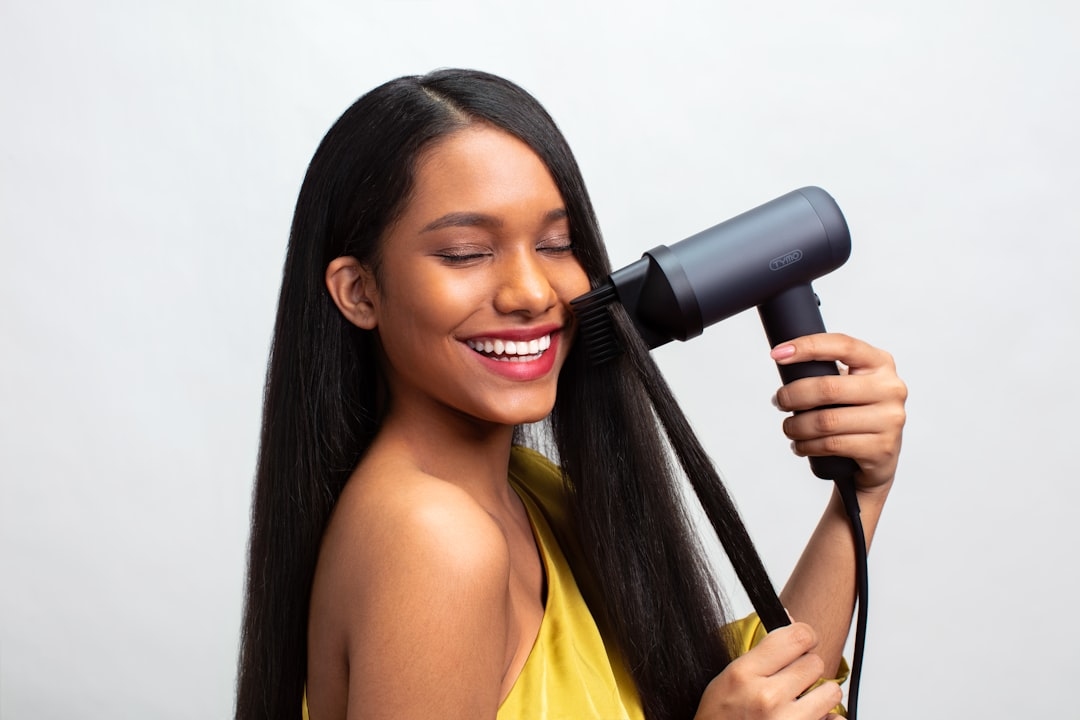
Maintain at least 15 centimetres between your dryer and hair. This distance significantly reduces direct heat exposure whilst still providing effective drying. Always direct airflow downward along the hair shaft, rather than against the cuticle. This simple technique alone can reduce cuticle damage by up to 40%.
Rough towel-drying before blow-drying is counterproductive. Your hair is most fragile when wet. Instead, gently squeeze water out with a microfibre towel, or use a cotton t-shirt to reduce friction. Pre-drying to about 60% dryness using cool air reduces the time spent on high heat settings.
Different Hair Types, Different Risks
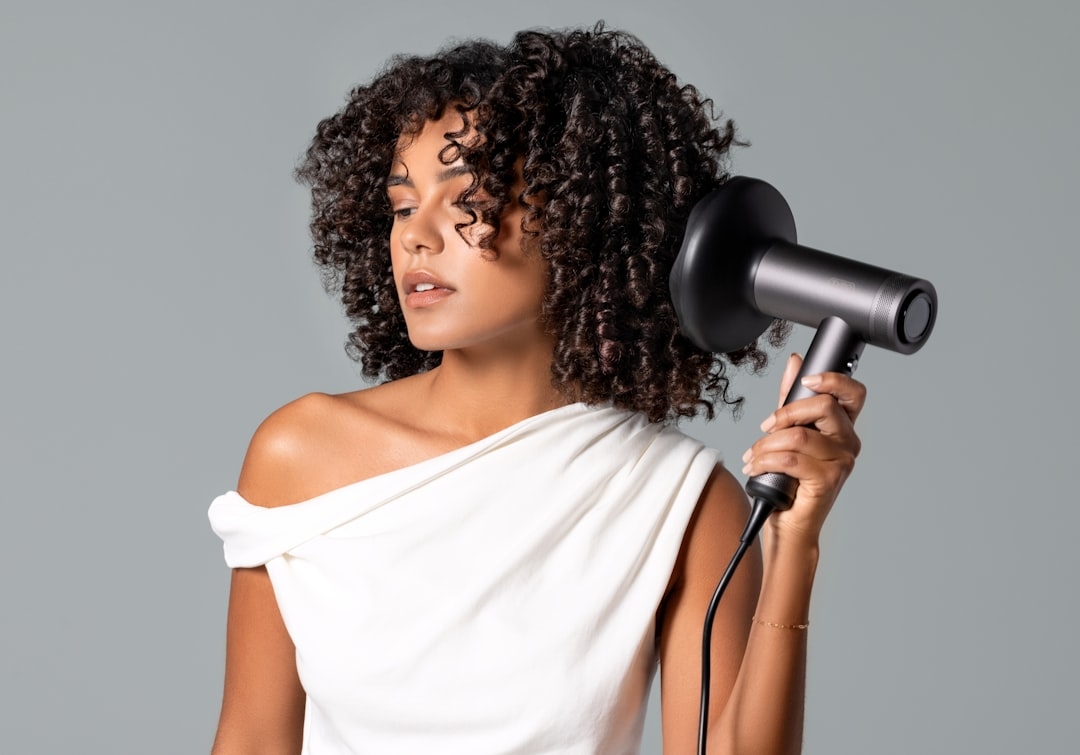
Not all hair responds identically to heat. Thick, textured hair can generally tolerate higher temperatures better than fine, straight hair. Curly hair tends to be drier naturally and more prone to frizz, making heat protectants even more essential.
If your hair is chemically treated (coloured, permed, or straightened), it’s already experienced protein degradation. This hair requires lower temperatures and more frequent deep conditioning treatments. Some hairstylists recommend that coloured hair should never be blow-dried above 100°C.
The Moisture Balance Factor
Hair that’s already well-moisturised tolerates heat styling significantly better than dehydrated strands. Think of it like the difference between a fresh plant leaf and a dried one—the hydrated leaf is flexible and resilient, whilst the dried version shatters easily.
Maintain hair moisture through weekly deep conditioning treatments (£5–15 for home treatments, or £25–45 at salons). These aren’t luxuries; they’re preventative maintenance. Hydrated hair also styles more easily, meaning you can achieve results faster and with lower heat settings.
Regional Climate and Blow-Drying Frequency
Humidity levels affect how often you need to blow-dry. Areas with higher humidity—like coastal regions in Devon or Wales—require more frequent styling, increasing cumulative heat exposure. Conversely, drier regions allow for less frequent blow-drying. If you live in a humid climate, you might consider styling alternatives like air-drying with mousse or using a diffuser attachment on lower heat settings.
Frequently Asked Questions
Is it better to air-dry my hair to avoid damage?
Air-drying eliminates heat damage entirely, making it the safest option. However, if you must blow-dry, using proper technique at moderate temperatures with heat protection minimises damage to levels that are relatively negligible for most people. The choice depends on your lifestyle, hair type, and styling needs.
How often can I safely blow-dry my hair?
Daily blow-drying at low to moderate temperatures with heat protection is generally safe for most people. Blow-drying at high temperatures daily significantly increases damage risk. If your hair shows signs of dryness or breakage, reduce frequency to 3–4 times per week and focus on improving moisture levels.
Can damaged hair be repaired?
Once the hair shaft is damaged, it cannot be repaired by the hair itself. Protein-based treatments can temporarily smooth the cuticle and improve appearance, but they don’t restore actual structural integrity. The best approach is prevention through proper technique and care.
What’s the difference between professional blow dryers and cheap ones?
Professional blow dryers (£40–150) typically offer more precise temperature control, ionic technology to reduce frizz, and even heat distribution. Budget models (£10–25) often overheat in spots and lack temperature regulation. Professional models can reduce styling time, meaning less total heat exposure. For frequent blow-drying, the investment often pays off in improved hair health.
Do ionic blow dryers reduce damage?
Ionic technology emits negatively charged ions that neutralise positive charges in water molecules, helping water evaporate more efficiently. This can reduce drying time and frizz. Fewer studies examine direct damage reduction, but the faster drying time means less overall heat exposure, which is the primary benefit.
Making Damage-Free Blow-Drying Part of Your Routine
You don’t have to abandon blow drying to keep your hair healthy. Focus on these three essentials: apply heat protectant every single time, use temperatures below 120°C, and maintain the 15-centimetre distance rule. These three practices eliminate the majority of heat-related damage.
Equally important is addressing the moisture deficit that heat styling creates. Introduce a weekly deep conditioning treatment, and consider switching to sulphate-free shampoo, which strips less of your hair’s natural oils. These additions cost just £3–8 weekly but make a measurable difference in hair resilience.
Your blow-drying habits today determine your hair’s condition tomorrow. Start implementing these techniques this week, and you’ll notice healthier, shinier hair within four weeks. The science is clear: blow-drying damage is preventable, not inevitable.