Contents:
- Understanding Hair Structure and Curl Formation
- Heat-Based Methods: Curling Irons and Barrel Tools
- Choosing the Right Curling Iron
- Technique for Maximum Curl Retention
- The Blow-Dryer Diffuser Method
- Wet-Setting: The Zero-Equipment Alternative
- Pin Curls and Rod Setting
- Finger Coiling
- Chemical Treatments: Permanent and Semi-Permanent Solutions
- Perms: How They Work
- Sustainability Consideration: Chemical Waste
- Relaxers and Texturizers: The Inverse Approach
- Hair Type Considerations: Getting the Right Results
- Fine or Thin Hair
- Thick or Coarse Hair
- Previously Treated Hair
- Products That Enhance and Extend Curls
- Space-Saving Storage for Curling Tools
- Troubleshooting Common Curl Problems
- Curls Won’t Hold
- Curls Look Frizzy or Unpolished
- Uneven Curls
- Frequently Asked Questions
- How long do curls from heat styling typically last?
- Can I create curls on very short hair?
- Will heat styling damage my hair?
- How much does a professional perm cost, and is it worth it?
- What’s the most beginner-friendly curl method?
- Creating Sustainable Curl Routines
- Your Curl Journey Starts Now
Understanding Hair Structure and Curl Formation
Your hair’s natural texture is determined by its follicle shape and protein structure. Straight hair grows from round follicles, whilst curly hair grows from oval or spiral follicles. The hair shaft itself consists of three layers: the cuticle (outer protective layer), cortex (where proteins and pigment live), and medulla (the core). When these protein bonds align vertically, your hair grows straight. Disrupting or reforming these bonds is precisely how all curl-creation methods work.
Hair is approximately 95% protein, primarily keratin. The strength of your hair—and its ability to hold a curl—depends on the quantity and arrangement of disulphide bonds (chemical links between protein chains). This is why different techniques produce different results. Heat styling temporarily bends these bonds; chemical perms permanently reform them; wet-setting relies on hydrogen bonds that reset as hair dries.
Heat-Based Methods: Curling Irons and Barrel Tools
Heat styling is the fastest way to create curls and requires minimal space—ideal for flat dwellers. A curling iron works by heating the hair to 150–200°C, which opens up the hair’s protein structure and allows it to mold into a new shape. As the hair cools, the bonds set, holding the curl temporarily.
Choosing the Right Curling Iron
Barrel diameter determines curl size. A 25mm barrel creates tight ringlets; a 38mm barrel produces loose waves. For versatility in a small space, consider a 32mm barrel as your starting point. Ceramic or tourmaline-coated barrels distribute heat evenly and reduce frizz—ceramic alone costs £15–30, whilst tourmaline-coated models run £35–60 in the UK market.
Wattage matters more than most people realise. A 50-watt iron heats to full temperature in 30 seconds; a 25-watt model takes 90 seconds. If you’re styling daily, the faster heat-up saves time and reduces cumulative heat exposure. Temperature control is non-negotiable—fixed-temperature irons can’t be adjusted, meaning fine or damaged hair may suffer unnecessary damage.
Technique for Maximum Curl Retention
Section your hair into four quadrants using clips. Work section by section, never grabbing more than a 5cm-wide strand. Wind the hair around the barrel away from your face, hold for 8–12 seconds (longer for thicker hair), then release gently. The most common mistake is unwinding immediately; the curl sets as it cools, so let it rest for 30 seconds before touching it.
Curl retention improves dramatically when you apply heat-protectant spray beforehand. These products form a thin polymeric barrier around each hair, reducing water loss during heat exposure. Research shows heat-protectant use can extend curl lifespan by 2–4 hours. A 200ml bottle (£8–15) typically lasts 3 months with regular use.
The Blow-Dryer Diffuser Method
A blow-dryer with a diffuser attachment creates softer, more natural-looking curls, especially if you already have wave potential in your hair. The diffuser spreads air across a wider area, preventing the directional heat that causes frizz.
Apply a curl-enhancing mousse to damp hair, then attach the diffuser to your blow-dryer. Set the dryer to medium heat and medium speed. Cup sections of hair in the diffuser’s “cup” and scrunch upward, holding for 10–15 seconds per section. This method takes 12–18 minutes but produces curls that look intentional, not overly styled. The diffuser itself costs £12–25 as a replacement attachment.
Wet-Setting: The Zero-Equipment Alternative
Wet-setting requires no electricity and works brilliantly in space-restricted homes. This method relies on hydrogen bonding, a weaker type of chemical bond that releases when hair is rewetted. Curls created this way last until your next wash, typically 3–7 days depending on humidity.
Pin Curls and Rod Setting
Pin curls are perhaps the oldest curl method and remain effective. Roll damp hair (not soaking, but thoroughly damp) around your finger or a plastic roller, then secure with a pin. Smaller rolls create tighter curls; larger rolls produce waves. The science here is straightforward: as the hair dries, hydrogen bonds form in the new curl shape.
Plastic rods cost £4–8 for a pack of 12 and take up almost no space. They come in diameters ranging from 12mm to 30mm. For tight curls, use 12–16mm rods; for loose waves, use 24–30mm. Roll damp (not wet) hair around the rod, secure with a clip, and leave overnight or for 6–8 hours. Remove in the morning.
This method requires patience but produces remarkably lasting curls. Many people find it relaxing as a bedtime routine. If you sleep on them (using a bonnet to protect the curls), you’ll wake with styled hair and no additional effort.
Finger Coiling
Finger coiling works best on damp, textured hair. Apply a leave-in conditioner or curl cream, then wrap small sections around your index finger, hold briefly, and release. The curl forms naturally as the product dries. This method is free (beyond the product you’d use anyway) and produces beautiful, defined curls. Finger coils typically last 4–8 days depending on your hair type and humidity levels.
Chemical Treatments: Permanent and Semi-Permanent Solutions
Chemical treatments permanently alter your hair’s protein structure, so results last until new hair grows in (typically 4–8 months for curls). This option makes sense if you have naturally straight hair and want long-term curl commitment.
Perms: How They Work
A perm works by breaking and reforming the disulphide bonds in your hair’s cortex. The process has three steps. First, ammonium thioglycollate (the perm solution) penetrates the hair and breaks apart the disulphide bonds, allowing the protein chains to relax. Second, your hair is wound around rods, holding it in the new curl shape. Third, a neutraliser (hydrogen peroxide) reoxidises the hair and reforms the disulphide bonds in their new position.
A professional perm in the UK costs £60–150 depending on hair length and salon location. The process takes 1.5–3 hours. Results look natural if the perm is properly applied; poorly executed perms look artificial and frizzy. Always choose a stylist experienced with your hair type.
Perms work best on hair in good condition. Damage, breakage, or previous chemical treatments can lead to uneven results or excessive dryness. If your hair has been bleached, coloured multiple times, or is already fragile, discuss this with your stylist beforehand.
Sustainability Consideration: Chemical Waste
Perm solutions contain chemicals that shouldn’t be poured down the drain. Many salons dispose of these through hazardous waste programs, but not all do. If you’re environmentally conscious, ask your salon how they handle chemical disposal. Some eco-minded salons have shifted toward gentler, plant-based curl-setting solutions, though these are less reliable on resistant hair types.
Relaxers and Texturizers: The Inverse Approach
Relaxers permanently straighten curly hair; texturizers do the opposite, adding curl to straight hair. A texturizer contains the same active ingredients as a perm but is left on for half the time, producing a looser wave pattern. Texturizers cost £40–100 and last 8–12 weeks before new growth requires retouching.
Hair Type Considerations: Getting the Right Results
Not all hair types respond equally to curl methods. Understanding your hair type ensures you choose a technique that will actually work.
Fine or Thin Hair
Fine hair holds curls less reliably because it’s lighter and has a smaller diameter. Heat-based methods work but require lower temperatures (140–160°C instead of 180–200°C) to prevent damage. Wet-setting and finger coiling often produce better results because they avoid heat stress. Chemical perms can damage fine hair, so discuss this carefully with a stylist.
Thick or Coarse Hair
Thick hair resists curling because the protein bonds are densely packed and strong. You’ll need higher heat (180–200°C) and longer application times. Perms often work better on thick hair than on fine hair because the chemical can penetrate more effectively. Multiple passes with a curling iron may be necessary.
Previously Treated Hair
Coloured, bleached, or relaxed hair is already structurally compromised. Chemical curling treatments may not take evenly, or worse, cause breakage. Heat-based methods are safer, but use the lowest effective temperature. Wet-setting is the safest option for damaged hair.
Products That Enhance and Extend Curls
The right products dramatically improve curl definition and longevity. For heat styling, always start with a heat-protectant spray (forms a polymeric barrier, costs £8–15). Apply to damp hair before any blow-drying or curling.
Curl-enhancing creams and mousses contain polymers that cling to hair and help it hold a shape. Apply to damp hair before wet-setting, or to dry hair after heat styling. Budget £12–20 for a quality product that lasts 2–3 months.
Hold products vary in strength. Light hairsprays (£5–10) work for light curls; strong-hold sprays (£8–15) suit intricate styles. Anti-frizz serums (£10–18) reduce flyaways and add shine, extending the polished look of your curls. Apply sparingly after curling is complete.
Space-Saving Storage for Curling Tools
In a small flat, storage is crucial. Wall-mounted hooks or magnetic strips keep curling irons and barrel tools accessible without consuming drawer or shelf space. A heat-resistant pouch (£8–12) protects your iron whilst it cools and prevents accidental burns. Rods and pins fit in a small container (£3–6) tucked into any cupboard.
A compact rolling caddy with three small drawers (£20–30) holds your heat-protectant spray, curl cream, and hairspray vertically, taking up minimal floor space. Keep this near an outlet where you style hair.
Troubleshooting Common Curl Problems
Curls Won’t Hold
Curls fall out if hair is too moist (humidity) or too dry (lacks flexibility). For heat-styled curls, ensure your hair is completely cool before touching it—heat sets the curl. Use a heat-protectant spray and stronger-hold products. If humidity is the culprit, apply anti-frizz serum and let curls set for 10 minutes before stepping outside.
For wet-set curls, ensure hair is fully dry before removing pins or rods (6–8 hours minimum). Partial drying means curls won’t set properly.
Curls Look Frizzy or Unpolished
Frizz indicates the hair’s cuticle layer is raised, allowing moisture in. Apply a smoothing serum (silicone-based or plant-oil based) after curling. Use a heat-protectant spray before heat styling. Avoid touching your curls excessively once they’re set—each touch separates strands and increases frizz.
Uneven Curls
Uneven curls usually mean inconsistent heat application or tension. With a curling iron, ensure you’re holding the barrel at the same angle and applying the same heat duration to each section. With wet-setting, tension should be firm but not painful. Practise consistency over several sessions; muscle memory develops quickly.
Frequently Asked Questions
How long do curls from heat styling typically last?
Heat-styled curls last 1–3 days on straight hair, depending on humidity and hair type. Fine hair loses curls faster; thick hair holds them longer. Humidity dramatically reduces longevity—curls made indoors may fall flat once you’re outside in moist air. Anti-frizz serum and light hairspray extend lifespan by a few hours.
Can I create curls on very short hair?
Yes, but with limitations. Hair shorter than 10cm doesn’t have enough length to hold a curl shape; aim for at least 15cm. Curling irons work better on short hair than wet-setting (which requires enough length to wrap around a rod). Very short hair benefits from textured products and scrunching techniques rather than traditional curling methods.
Will heat styling damage my hair?
Regular heat styling causes cumulative damage—dryness, breakage, and weakened structure. Use a heat-protectant spray (non-negotiable), avoid temperatures above 200°C, and limit heat styling to 2–3 times weekly. Leave-in conditioners and monthly deep conditioning treatments repair heat damage. If your hair is already damaged, wet-setting or pin curls are safer alternatives.
How much does a professional perm cost, and is it worth it?
UK prices range from £60–150, depending on hair length and salon. A perm is worth it if you want curls for 4–8 months without daily styling effort. However, maintenance is required—weekly deep conditioning treatments (£3–8 per product) keep permed hair healthy. If you style daily anyway, heat-based methods might be more cost-effective.
What’s the most beginner-friendly curl method?
Finger coiling is arguably the easiest. It requires no equipment, low risk of damage, and produces attractive results even on the first try. If you prefer heat, a large-barrel curling iron is forgiving—errors are less noticeable than with smaller barrels. Wet-setting with rods is tedious but foolproof once you understand the technique.
Creating Sustainable Curl Routines
The most sustainable approach balances results, time commitment, and hair health. If you have limited space and limited time, invest in one quality curling iron (£40–70) and learn proper technique. If you’re willing to spend time but want to avoid daily heat exposure, master pin curls and wear them 3–4 days weekly.
Rotate methods seasonally. Winter humidity is lower, so heat-based curls hold better; summer humidity requires stronger anti-frizz products. Adjust your approach as seasons change and as your hair changes.
Hair health is non-negotiable. Monthly deep conditioning (2–3 treatments, £8–15 each) keeps curls looking defined and prevents breakage. If your hair shows signs of damage (split ends, excessive breakage, dryness), reduce heat styling frequency and consider wet-setting methods exclusively for 4–6 weeks whilst the damage repairs itself.
Your Curl Journey Starts Now
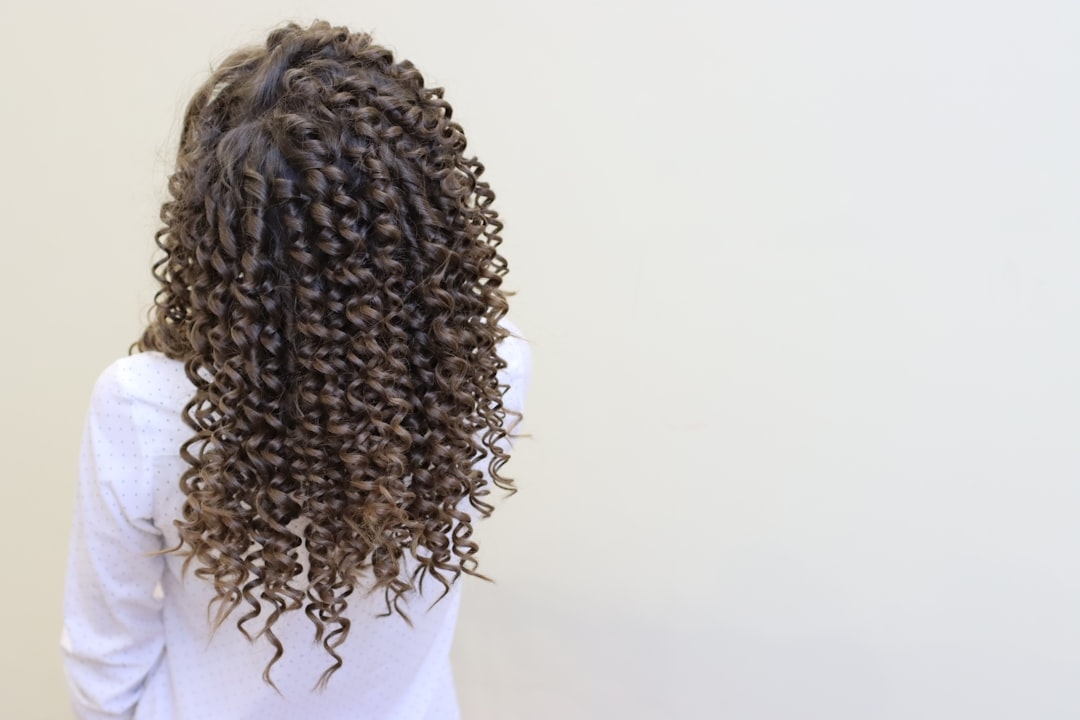
Creating curly hair is achievable through multiple methods, each with distinct advantages. Heat styling offers speed and versatility for daily changes. Wet-setting demands patience but requires no equipment investment. Chemical treatments provide lasting results if you’re ready for that commitment. The right choice depends on your hair type, lifestyle, and the degree of permanence you want.
Start with one method—heat styling with a curling iron is the quickest way to see results. Practise on a weekly basis, refining your technique. Once you’ve mastered that, experiment with other methods. Many people develop a “curl toolkit” where they use different techniques for different occasions.
Document your results. Take photos after styling to track what works and what doesn’t. Over time, you’ll develop an intuitive understanding of how your specific hair responds to each method. That knowledge is more valuable than any single product or tool.