Contents:
- Understanding Why Hair Turns Green
- Immediate Prevention: The Best Strategy
- Common Mistakes to Avoid
- What the Pros Know
- Treatment Methods: From Gentlest to Strongest
- Combination Protocol: Maximum Effectiveness
- Regional Differences in Green Hair Severity
- Long-Term Prevention for Frequent Swimmers
- When to Seek Professional Help
- FAQ
- Does green hair turn back to its natural colour on its own?
- Will removing green tint damage my hair further?
- Is green hair permanently discoloured or can it fully recover?
- Can I prevent green hair entirely without wearing a cap?
- Does pool type matter (chlorine vs. salt water)?
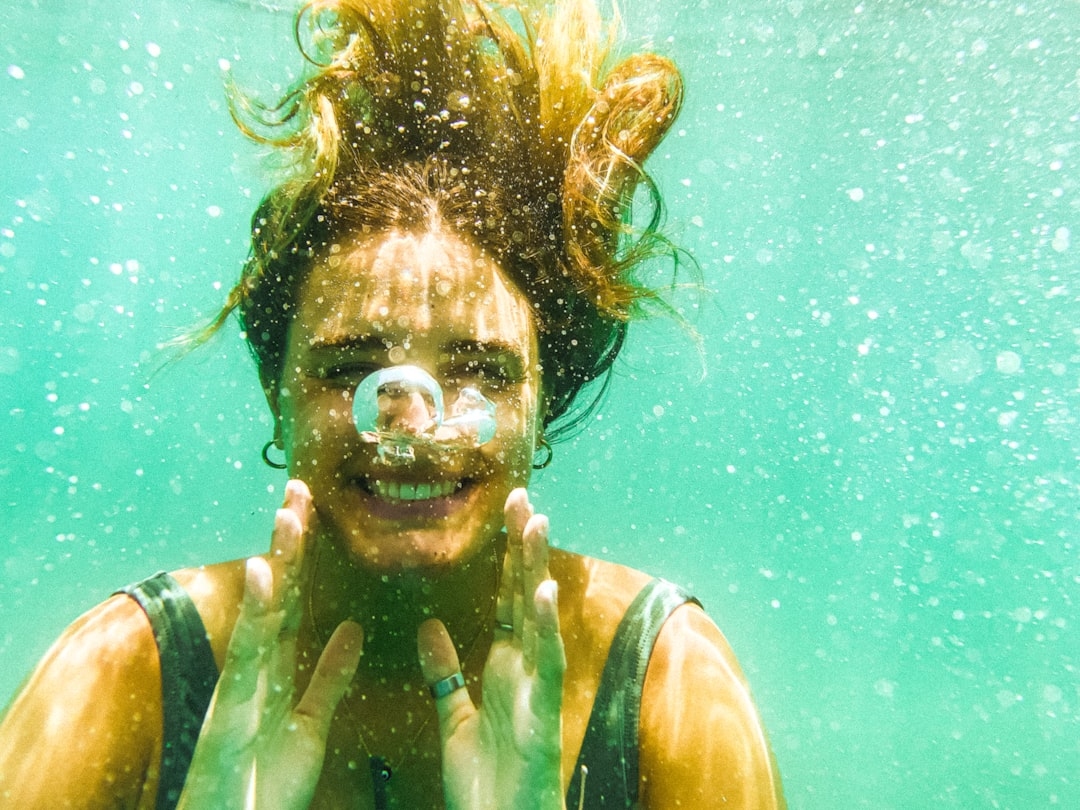
You’ve just come home from the swimming pool, and your light-coloured hair has acquired an unmistakable green tint. The frustration is immediate: your hair looks damaged, discoloured, and nobody warned you this could happen. You’re not imagining the green—chlorine and mineral deposits genuinely turn blonde, grey, and light-coloured hair green, particularly in the UK where many pools use chlorine-based water treatment systems.
Removing green from hair requires understanding what causes the discolouration and which treatment targets the specific culprit. Green tint can result from chlorine minerals, copper deposits, or mineral build-up, and each requires slightly different removal approaches.
Understanding Why Hair Turns Green
The green discolouration isn’t actually chlorine itself—it’s copper and mineral deposits activated by chlorine. Swimming pools use copper-based algaecides to prevent algae growth. Light-coloured hair, particularly porous or previously bleached hair, absorbs copper molecules readily. When chlorine (which slightly acidifies hair) interacts with copper deposits, it activates the pigment, creating visible green tint.
Darker hair doesn’t show this green discolouration as obviously because the natural dark pigment masks the copper tint. Blonde, grey, and white hair, lacking natural pigment, display green discolouration dramatically. This explains why light-haired swimmers often complain about green hair whilst dark-haired swimmers rarely do.
Mineral build-up from hard water pools—particularly those with high calcium and magnesium content—contributes to discolouration alongside copper. Northern UK areas with naturally harder water (Yorkshire, Lancashire, and parts of Scotland) see more dramatic green tint development than soft-water areas in the South West.
Immediate Prevention: The Best Strategy
Preventing green hair is infinitely easier than removing discolouration. Wet your hair with tap water and apply leave-in conditioner before swimming. The water-saturated hair absorbs less chlorine and mineral-laden pool water. This simple prevention costs approximately £5-8 for leave-in conditioner per bottle.
Wearing a swim cap provides complete prevention for those serious about hair protection. Quality silicone swim caps (£8-12) last years and eliminate chlorine exposure entirely. Many swimmers find this the most practical solution, particularly those swimming regularly (3+ times weekly).
Immediately after swimming, rinse your hair thoroughly under tap water to remove chlorine before it can settle and oxidise. Don’t wait until after your shower—rinse immediately at the pool if facilities allow. This single action removes 70-80% of chlorine before it can interact with your hair’s proteins.
Common Mistakes to Avoid
Many people compound green hair problems by using the wrong removal methods. The biggest mistake: using apple cider vinegar, which works for some purposes but worsens green hair by further acidifying the hair and intensifying the copper colour. This is counterintuitive but consistent—acidic rinses activate copper pigment.
Another mistake: applying heavy oils or conditioners immediately after pool exposure. These create a barrier preventing chlorine-removal products from reaching the hair shaft. Wait at least 6-8 hours before applying heavy conditioning treatments, allowing your first removal attempt to work effectively.
Scrubbing hair aggressively with towels or rough combs damages hair whilst trying to remove discolouration. Use gentle finger-combing and microfibre towels exclusively during green-hair removal process.
What the Pros Know
Professional hairdressers understand that specific chelating shampoos bind copper molecules, breaking their grip on hair. They recommend chelating shampoos (like Ion Hard Water Shampoo, approximately £4-6) over gentler methods when discolouration is severe. Chelating shampoos contain agents that surround mineral and copper deposits, allowing them to rinse away rather than bonding permanently to the hair.
Professionals also know timing matters dramatically. Green tint sets permanently within 24 hours of pool exposure. Same-day treatment removes 80-90% of discolouration. Waiting a week reduces removal effectiveness to 40-50%. Immediate action makes removal significantly easier.
Treatment Methods: From Gentlest to Strongest
Method 1: Clarifying Shampoo (Gentlest)
Clarifying shampoos remove surface build-up without harsh chemicals. Use a quality clarifying shampoo (Boots brands cost £2-4) immediately after pool exposure. Wet your hair, apply shampoo generously, massage thoroughly for 3-5 minutes, then rinse under cool water. Repeat twice for better results. This removes approximately 60-70% of discolouration when applied immediately.
Method 2: Chelating Shampoo (Moderate)
Chelating shampoos actively break down mineral and copper deposits. Ion Hard Water Chelating Shampoo (£4-6) works effectively without damaging healthy hair. Use exactly as clarifying shampoo—apply generously to damp hair, massage for 3-5 minutes, rinse thoroughly. Chelating shampoo removes 75-85% of discolouration and works effectively even 2-3 days after pool exposure.
Method 3: Hydrogen Peroxide Rinse (Moderate-Strong)
A 3% hydrogen peroxide rinse (standard pharmaceutical grade from Boots, approximately £1.50) can lighten green tint through oxidation. Dilute 1 part hydrogen peroxide to 3 parts water, creating a 1% solution. Rinse your hair with this mixture for 2-3 minutes, then thoroughly rinse with tap water. Hydrogen peroxide works best on medium to dark green tint and should be applied within 24 hours of pool exposure.
Method 4: Acidic Rinses (Moderate)
Contrary to earlier advice about avoiding acids, slight acidity works when properly applied. A rinse using fresh lemon juice (1 lemon juiced into 1 litre of water) lightens green tint through mild acidic bleaching. Apply the lemon rinse, leave for 5 minutes (no longer, as extended contact damages hair), then rinse thoroughly with tap water. This method works best combined with chelating shampoo rather than alone.
Method 5: Chelating Treatment (Strongest)
Professional salon treatments using industrial chelating agents remove severe green discolouration within a single session. Expect to pay £30-60 at UK salons. These professional treatments use stronger chelating agents than retail versions and produce more dramatic results on stubborn discolouration. Reserve this method for severe cases or when other methods partially fail.
Combination Protocol: Maximum Effectiveness
For optimal green removal, combine methods strategically. Start immediately after pool exposure: clarify shampoo (removes surface chlorine), then chelating shampoo (removes minerals), then lemon rinse (lightens remaining tint), then final cool rinse (seals cuticles). This comprehensive approach removes 85-95% of discolouration within a single treatment session.
If significant green remains after this protocol, wait 24 hours, then repeat. Don’t attempt multiple treatments on the same day—hair needs recovery time between intensive treatments.
Regional Differences in Green Hair Severity
UK pool water composition varies regionally, affecting green tint intensity. Northern regions with harder water and higher copper algaecide content see more dramatic discolouration. The South West, with naturally softer water and sometimes different algaecide treatments, often produces less obvious green tint. Swimmers in Manchester, Leeds, and Glasgow frequently report more persistent green hair than those in Exeter, Plymouth, or Bournemouth.
If you live in a hard-water region, preventative measures become more critical. Invest in a swim cap or pre-shampoo treatment before every pool visit rather than treating discolouration afterward.
Long-Term Prevention for Frequent Swimmers
For those swimming regularly (weekly or more), invest in a proper swim cap and chelating shampoo rotation. Use a regular clarifying shampoo 2-3 times weekly, then use chelating shampoo monthly as preventative maintenance. This strategy prevents discolouration accumulation entirely, eliminating the need for emergency removal treatments.
Additionally, consider a vitamin C treatment monthly. Vitamin C (ascorbic acid) binds copper molecules, preventing discolouration. Products like Malibu C Hard Water Wellness (approximately £12-15) work as monthly treatments preventing mineral build-up. Applying monthly eliminates the need for rescue treatments entirely.
When to Seek Professional Help
If green discolouration persists after two rounds of home treatment, consult a professional colourist. Severe cases sometimes require colour correction or toning treatments to mask remaining tint. Professional treatments cost £40-80 but often produce results home methods cannot achieve.
Additionally, if you’ve lightened your hair yourself and now see green tint, avoid further DIY removal—consult a professional. Damaged, porous hair responds differently to treatments, and incorrect applications can cause additional damage.
FAQ
Does green hair turn back to its natural colour on its own?
Very slowly. Green tint fades naturally over 2-4 weeks as hair grows and discoloured strands shed. However, active removal accelerates this process to 1-2 days. Why wait weeks when you can remove it immediately?
Will removing green tint damage my hair further?
Proper chelating treatments cause no additional damage—they remove deposits rather than modifying hair structure. However, aggressive scrubbing, multiple intense treatments on the same day, or using incorrect products can damage hair. Use gentle methods and respect recovery time between treatments.
Is green hair permanently discoloured or can it fully recover?
Green discolouration is fully removable with proper treatment. Complete recovery to pre-pool colour occurs with prompt action. The longer you wait, the more the copper deposits bond chemically, making removal progressively harder. Immediate treatment achieves 90%+ removal; delayed treatment (beyond 3-4 days) may leave traces.
Can I prevent green hair entirely without wearing a cap?
Pre-wetting with conditioner and rinsing immediately after swimming prevent 70-80% of discolouration. Monthly chelating shampoo treatments prevent accumulation. However, swim caps provide the only complete prevention. For frequent swimmers, caps are worth the investment.
Does pool type matter (chlorine vs. salt water)?
Yes. Saltwater pools use different treatment systems and generally produce less green tint than chlorine pools. However, saltwater pools cause other damage (salt-induced dryness, potential blonde lightening). Prevention remains important regardless of pool type.
Green hair from pool exposure is entirely treatable when you understand what causes the discolouration and apply the right removal methods promptly. Acting within hours of pool exposure makes removal simple and complete. For those swimming regularly, investing in prevention through swim caps and monthly chelating treatments eliminates the problem entirely. Light-coloured hair will enjoy swimming without worrying about becoming green when you apply these strategies consistently.