Contents:
- What’s the Actual Difference Between Curly and Wavy Hair?
- The Water Test: A Practical Home Method
- The Paperclip Test and Coil Formation
- The Blow-Dry Reality Check
- Regional Variations and Climate Influence
- Porosity and Product Absorption
- Practical Styling as a Diagnostic Tool
- The Frizz Factor
- Frequently Asked Questions
- Can hair change from wavy to curly over time?
- Why does my curly or wavy hair look straight when wet?
- What’s the difference between frizz and natural texture?
- Does ethnicity determine curl pattern?
- Can I permanently change my hair type from wavy to curly or vice versa?
- Making Your Final Assessment
Back in the 1950s, the permanent wave machine revolutionised how people perceived their hair texture. Salons across Britain offered “perms” that promised to transform straight locks into waves or curls—yet customers often left confused about what they’d actually received. The confusion wasn’t new then, and it persists today. Millions of people worldwide remain uncertain whether their natural hair falls into the curly category or the wavy camp. The distinction matters because each texture requires different care routines, products, and styling approaches.
The answer to “Is my hair curly or wavy?” isn’t always straightforward. Hair exists on a spectrum rather than in neat categories. Understanding where your hair sits on that spectrum will help you choose the right products, styling techniques, and maintenance regimen. This guide cuts through the marketing noise and gives you practical ways to identify your hair type using simple tests you can do at home.
What’s the Actual Difference Between Curly and Wavy Hair?
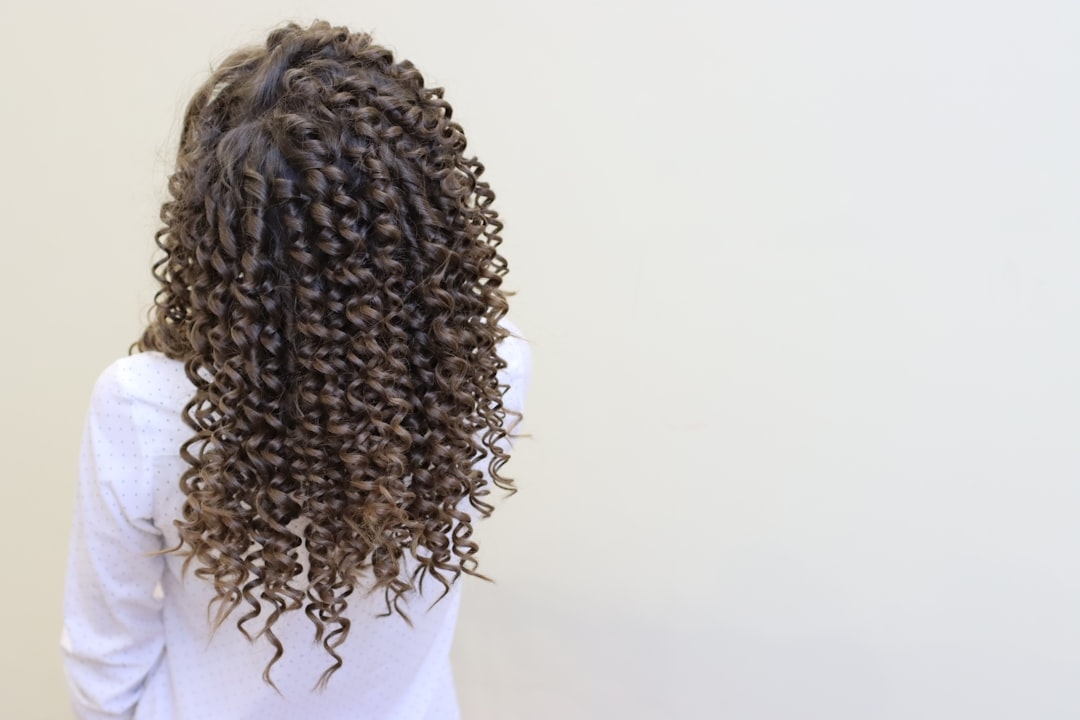
Curly hair forms tight coils or corkscrews that spiral along the hair shaft. When you look at a strand under magnification, you’ll see the curl pattern winds around itself with clear, defined angles. Wavy hair, by contrast, follows an S-shaped pattern. It bends and curves but doesn’t form complete circles. The wave sits somewhere between straight and curly—your strands undulate gently rather than spiral.
The mechanism behind these patterns lies in your hair follicles. Hair grows from curved follicles. The more curved the follicle, the curlier your hair. Completely straight follicles produce straight hair. Slightly curved follicles produce waves. This curvature is determined by genetics and the arrangement of proteins in your hair structure, particularly keratin bonds.
The Water Test: A Practical Home Method
Start with the simplest diagnostic tool: water. Take a clean strand of hair (wash your hair first to remove product buildup, then wait 24 hours). Spray it with water until saturated and observe how it behaves as it dries naturally.
- Curly hair will spring up into defined coils or ringlets. You’ll see clear loops that maintain their shape even when dry.
- Wavy hair will form gentle waves that lie relatively flat against your head. The bends will be looser and flatter than curly hair.
- Straight hair will dry without any bend or wave pattern.
This test works best on hair that hasn’t been chemically treated. If you’ve had relaxers, permanent waves, or colour treatments recently, your natural texture may be temporarily altered.
The Paperclip Test and Coil Formation
Another reliable method uses visual comparison. Look at a single, isolated wet strand of your hair when it’s fully saturated. Mentally compare it to a paperclip—if your hair curls tighter than a paperclip’s loop, you likely have curly hair. If it forms a gentler bend similar to a paperclip’s overall shape but looser, you’ve got wavy hair.
Curl pattern forms the basis of the André Walker Hair Classification System, which categorises hair from Type 1 (straight) through Type 4 (coily). Within this system, Type 2 hair is wavy, and Type 3 hair is curly. Some people possess Type 3 (curly) hair while others have Type 2 (wavy) hair. A small percentage sits between these categories, which is why classification can feel imprecise.
The Blow-Dry Reality Check
How your hair behaves with heat styling reveals important information. Blow-dry your hair straight using a paddle brush. Leave it for 30 minutes, then let it air dry without touching it.
- If your hair immediately reverts to defined curls, you have curly hair with strong curl memory.
- If it relaxes into gentle waves, you’re dealing with wavy hair.
- If it stays mostly straight, your hair is straight or only very lightly wavy.
This test matters because wavy hair often looks straighter when blown dry. Many people with wavy hair think they have straight hair simply because they’ve only ever seen it styled that way. The truth emerges when you air-dry it.
Regional Variations and Climate Influence
Your perception of your hair type may shift depending on where you live. In the humid South of England and Wales, wavy and curly hair becomes more pronounced as moisture causes the hair shaft to expand. Someone living in London might experience their Type 2 wavy hair appearing curlier during summer months. In contrast, the drier air of parts of Scotland can make curls appear looser and waves less defined.
A reader named Sarah from Manchester discovered this firsthand. She’d always assumed her hair was just “frizzy straight” until she moved to Bristol for university. After three months in the more humid climate, her hair developed noticeable waves. She now understands her hair is genuinely wavy—it had simply appeared straighter in Manchester’s drier conditions. Climate and humidity affect how prominent your curl or wave pattern appears, though they don’t change your actual hair structure.
Porosity and Product Absorption
Understanding your hair’s porosity helps confirm your texture type. Porosity refers to how well your hair absorbs and retains moisture. Curly hair tends toward higher porosity because the spiral structure creates gaps where moisture enters. Wavy hair typically has medium porosity.
Test this by dropping a clean strand of hair into a glass of water. If it sinks immediately, your hair is highly porous (often curly). If it floats for a few minutes before sinking, you have medium porosity (often wavy). If it floats indefinitely, your hair has low porosity (often straight or very lightly wavy).
Practical Styling as a Diagnostic Tool
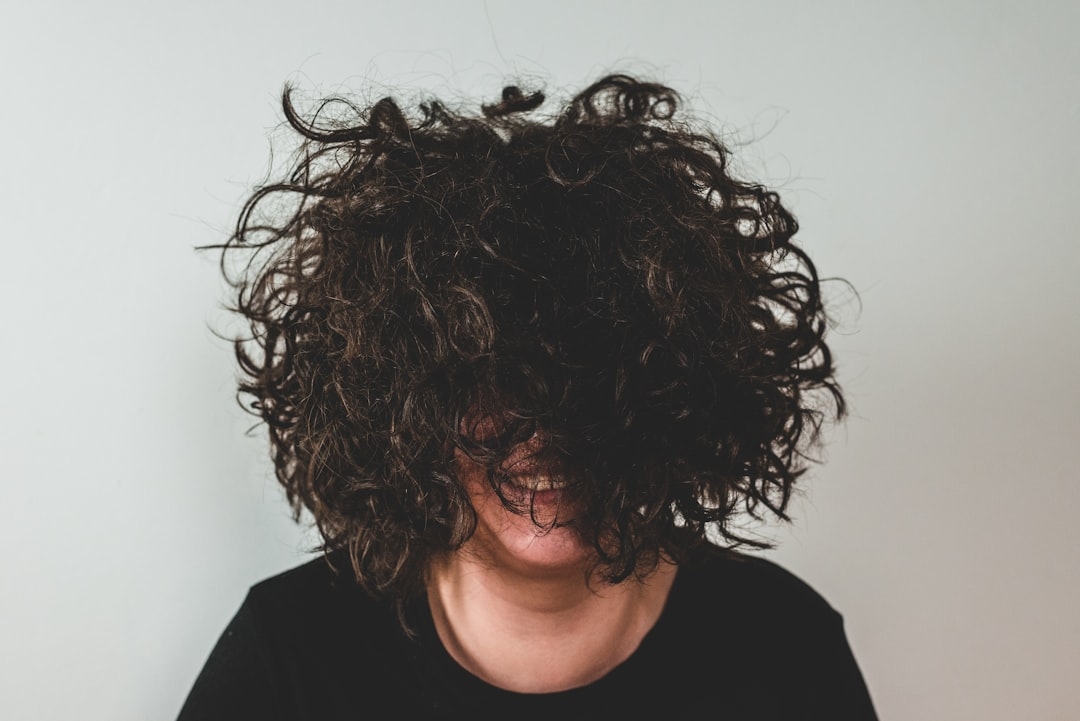
Your actual styling experience provides concrete evidence. Curly hair requires specific products designed for curl definition and frizz control. Brands like SheaMoisture, Carol’s Daughter, and UK-based As I Am formulate specifically for curly hair at price points ranging from £6 to £18 per product. These products emphasise hold and definition.
Wavy hair benefits from lighter products that provide shape without weighing waves down. Typical wavy hair products cost £5 to £15 and focus on enhancing the wave pattern without creating full curls. If you find that curly hair products leave your hair stiff or weighed down, you probably have wavy hair. If lightweight products fail to define your pattern, you likely have curly hair.
The Frizz Factor
Both curly and wavy hair experience frizz, but the mechanism differs. Curly hair frizzes when individual coils don’t lie flat together. Wavy hair frizzes when humidity causes the wave pattern to break down into random directions. Curly hair appears frizzy primarily at the surface where coils meet. Wavy hair tends to frizz along the entire length when humidity spikes.
How you control frizz reveals your texture. Curly-haired people benefit from gel-based products that hold coils in place. Wavy-haired people often prefer creams or serums that smooth individual waves without creating definition. Your best frizz-control strategy points toward your actual texture category.
Frequently Asked Questions
Can hair change from wavy to curly over time?
Yes, genuine texture changes occur. Hormonal fluctuations during puberty, pregnancy, or menopause can alter curl patterns. Some people experience straighter hair in their teens and curlier hair by their thirties. Significant weight loss or gain, illness, and stress can also trigger temporary or permanent texture shifts. Your genetics remain the foundation, but your expressed texture can evolve throughout your life.
Why does my curly or wavy hair look straight when wet?
Water temporarily straightens curls and waves. The weight of wet hair pulls the pattern downward, making coils appear looser. Once your hair dries, surface tension causes the pattern to return. This doesn’t mean your hair isn’t curly or wavy—it’s simply a temporary property of wet hair. Allow hair to dry naturally to see your true pattern.
What’s the difference between frizz and natural texture?
Frizz occurs when individual hairs stray from the main curl or wave pattern. Your natural texture is the underlying shape your hair wants to form. Proper hydration, the right products (typically £8 to £20 in the UK market), and appropriate styling techniques reduce frizz while enhancing your natural texture. If you’re seeing mainly frizz rather than defined pattern, your hair likely needs different care.
Does ethnicity determine curl pattern?
Ethnicity influences the statistical likelihood of certain curl patterns, but individual variation is enormous. You’ll find curly, wavy, and straight hair across all ethnic groups. Genetics from both parents matter more than any generalisation about ethnic background. Two people of the same ethnic background can have completely different curl patterns.
Can I permanently change my hair type from wavy to curly or vice versa?
Chemical treatments can alter texture, but they don’t change your natural hair type. Permanent waves and relaxers create new texture patterns in treated hair. However, as your hair grows out, your natural texture returns. Temporary methods like blow-drying, flat-ironing, or curl-enhancing products also don’t permanently change your texture. Your natural pattern always reasserts itself once you stop the treatment or styling.
Making Your Final Assessment
Determining whether you have curly or wavy hair requires combining several tests rather than relying on a single observation. Conduct the water test, examine your blow-dried hair after air-drying, assess your natural frizz pattern, and consider how your hair responds to styling products. Your climate and humidity levels matter too—observe your hair during different seasons if you live somewhere with seasonal variation.
Once you’ve identified whether you have curly or wavy hair, you can select products and techniques suited to your actual texture. Wavy hair thrives with lightweight moisturisers and wave-enhancing creams. Curly hair benefits from heavier creams, gels, and curl-defining products. The distinction transforms your entire hair care routine from guesswork into a targeted strategy. Test your texture this week, identify your pattern, and adjust your approach accordingly.