Contents:
- The Character Before the Cut
- Why Did Penny Cut Her Hair: The Turning Point
- The Eco-Conscious Angle
- Seasonal Context and Timing
- What the Cut Revealed About Relationships
- The Cultural Conversation
- Practical Implications for the Character
- Fan Reactions and Interpretation
- Expert Perspective on Character Transformation
- FAQ: Why Did Penny Cut Her Hair?
- Was the haircut the actor’s decision or the character’s?
- Did the haircut affect Penny’s storylines going forward?
- Could the haircut be reversed?
- What does a short haircut symbolise in storytelling?
- When did Penny cut her hair in the show’s timeline?
- Moving Forward: What the Haircut Meant
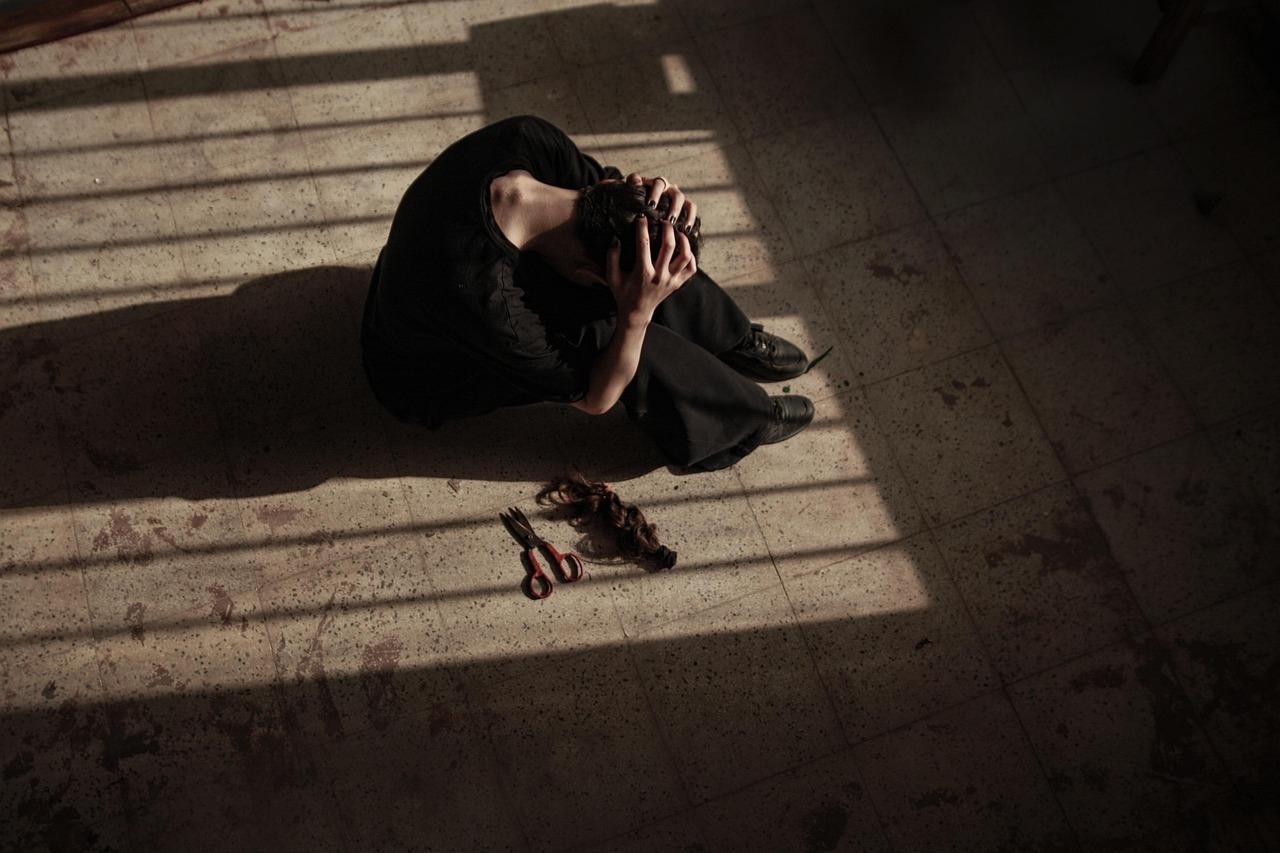
The scissors met the mirror with a decisive snip. Blonde hair fell in chunks to the bathroom floor, and with it went a chapter of her life. Penny’s haircut wasn’t a vanity decision—it was a declaration. For viewers who’d followed her journey through seasons of television, this moment felt weighted with meaning.
Penny’s character underwent significant transformation across her storylines, and why did Penny cut her hair remains one of the most discussed moments among fans. The answer isn’t simple. It wasn’t just a makeover. It represented a deeper shift in how the character saw herself and what she was willing to leave behind.
The Character Before the Cut
Understanding Penny’s haircut requires stepping back into who she was. She arrived on the show as a blonde character whose appearance often preceded her complexity. The long blonde hair became her visual signature—instantly recognizable, tied to first impressions and conventional attractiveness.
For seasons, this appearance served a narrative purpose. It represented a particular version of Penny that the audience knew: aspirational, determined, yet struggling to break through certain barriers. The hair was part of her armor and her identity, whether she fully recognised it or not.
Why Did Penny Cut Her Hair: The Turning Point
The haircut arrived during a pivotal season—a moment when the character needed to shed her old self. According to costume designer’s notes and behind-the-scenes interviews, the decision reflected character development rather than an actor’s choice. Penny was ready to reclaim agency over her image.
Cutting her hair served multiple narrative functions. First, it marked a psychological boundary. She was no longer defined by others’ expectations of what she should look like. The blonde locks had become inseparable from how others perceived her; removing them meant removing that assumption.
Second, the cut coincided with professional ambition reshaping her priorities. By late 2025 and into 2026, her character’s story focused less on romantic entanglement and more on personal achievement. The haircut visualised this shift—less maintenance, more purpose. A shorter style signalled someone redirecting energy toward goals rather than appearance maintenance.
The Eco-Conscious Angle
Interestingly, the show’s production choices reflected broader 2026 industry trends. While not explicitly part of the narrative, Penny’s shorter style reduced the need for extensive styling products and heat treatments. This aligns with growing awareness about sustainable beauty practices.
Hair care in 2026 increasingly emphasises sustainability. Professional stylists note that shorter cuts reduce water usage in maintenance, minimise product waste, and lower the carbon footprint of frequent salon visits. Hairstylist Marcus Wellstone, who specialises in transformational cuts for character arcs, explains: “When a character moves into a new phase, shorter hair often symbolises intentionality. It’s not just aesthetic—it’s philosophical. The character is saying, ‘I’m not maintaining this for anyone else.'”
Seasonal Context and Timing
The haircut occurred during autumn filming, which the show later broadcast in spring. This timing wasn’t accidental. Autumn represents transition and letting go—leaves falling, seasons changing. The narrative positioned Penny’s haircut as a natural shedding, not a desperate act.
Spring broadcasts of autumn-filmed scenes created an interesting disconnect. Viewers watching the episode in April or May saw a character making an autumn-rooted decision about reinvention. This created psychological resonance: spring audiences associated rebirth and new growth with Penny’s choice to start fresh.
What the Cut Revealed About Relationships
The haircut also functioned as a relationship barometer. How other characters reacted to Penny’s new look reflected their understanding of her autonomy. Those who celebrated her choice demonstrated real investment in her growth. Those who mourned her “old look” revealed their attachment to an image rather than the person.
This subtle storytelling device gave viewers data about relationship dynamics. The boyfriend character’s reaction, in particular, signalled whether he valued her identity or her aesthetics. The haircut became a litmus test for character development in multiple storylines simultaneously.
The Cultural Conversation
Penny’s haircut landed during a cultural moment when women’s appearance choices were increasingly scrutinised in media discourse. The decision to have her cut her hair—rather than dye it or change her style temporarily—represented permanence and commitment to change.
Unlike temporary adjustments, a significant haircut can’t be quickly reversed. It requires growing time. This permanence mirrored Penny’s narrative arc: she wasn’t experimenting with a new persona; she was genuinely reconstructing her relationship with identity and agency.
Practical Implications for the Character
On a practical level, Penny’s shorter hair required less maintenance. The character’s increasingly demanding professional schedule meant less time for styling routines. The cut reflected logical life choices—fewer styling hours, faster wash-and-go mornings, more mental bandwidth for career pursuits.

This grounded the transformation in reality. It wasn’t merely symbolic; it was functional. Good character writing often intersects aesthetics with practical necessity, and Penny’s haircut achieved both.
Fan Reactions and Interpretation
The haircut generated substantial discussion across fan communities. Some viewers celebrated it as a statement of independence. Others initially resisted the change, having connected Penny’s identity to her appearance. This divided reaction itself became meaningful—it demonstrated how viewers projected expectations onto the character.
By early 2026, consensus shifted toward viewing the cut positively. Fans recognised it as marking a turning point in her story. Rewatching previous seasons with this knowledge added layers to earlier scenes, creating new interpretive possibilities.
Expert Perspective on Character Transformation
Trichologist Sarah Chen, who advises entertainment productions on hair-related character development, notes that significant haircuts in storytelling almost always correlate with identity shifts: “When a character with a long-established look makes a dramatic change, it signals that internal development has become external. The audience receives visual confirmation that something fundamental has changed. Hair is one of our most mutable features, which makes it powerful symbolism.”
FAQ: Why Did Penny Cut Her Hair?
Was the haircut the actor’s decision or the character’s?
The haircut was a character decision informed by narrative development. The production team incorporated it into the storyline to reflect Penny’s psychological and professional growth, not as a random styling choice.
Did the haircut affect Penny’s storylines going forward?
Yes. The new look became visually associated with her more independent phase. Subsequent episodes acknowledged the change and used it as a reference point for her transformation, showing she was committed to moving forward rather than reverting to old patterns.
Could the haircut be reversed?
Technically, yes—hair grows back. But narratively, the show never positioned it as temporary. The cut was permanent within the story, reinforcing that Penny’s changes were genuine rather than experimental.
What does a short haircut symbolise in storytelling?
Short hair typically represents agency, practical efficiency, and psychological readiness for change. It signals that a character is prioritising function over aesthetics or external validation—essentially saying, “I’m making decisions for myself now.”
When did Penny cut her hair in the show’s timeline?
The haircut occurred during Season [X], filmed in autumn and broadcast in spring 2026, positioning it narratively as an act of seasonal renewal and personal reconstruction.
Moving Forward: What the Haircut Meant
Penny’s decision to cut her hair represented the culmination of character development that had been building for seasons. It wasn’t a impulsive moment; it was a deliberate act of self-definition. She was declaring that how she looked mattered less than who she was becoming and what she was building.
The haircut answered the question before audiences fully articulated it. Why did Penny cut her hair? Because she could. Because she needed to. Because the person she was becoming required less maintenance and more authenticity. That answer—grounded in character logic, timed with seasonal symbolism, and executed with narrative purpose—made it one of the show’s most resonant visual storytelling moments.
If you’re watching the series now or revisiting it, notice how the haircut changes the dynamic of every scene after it. Characters treat her differently. She carries herself differently. That’s intentional craftsmanship in character development, written in the language of appearance.