Contents:
- What Actually Happens When You Leave Oil in Overnight
- The Personal Anecdote: Why One Reader Swears By Overnight Oil
- Benefits of Overnight Oil Treatments
- Moisture Sealing
- Frizz Reduction
- Scalp Health Improvement
- Softness and Shine
- Potential Drawbacks
- Greasy Hair and Pillowcase Staining
- Product Buildup
- Potential Scalp Irritation
- Not Effective for Everyone
- Choosing the Right Oil for Overnight Application
- For Dry or Damaged Hair
- For Fine or Thin Hair
- For Curly or Textured Hair
- For Sensitive Scalp
- How to Do an Overnight Oil Treatment
- Basic Method
- Advanced Method: Protective Barrier
- Expert Insight
- Frequency: How Often Should You Do Overnight Oil Treatments?
- Common Mistakes
- Using Too Much Oil
- Leaving Oil In for 24+ Hours
- Applying Oil to Soaking Wet Hair
- Skipping the Warm Wash
- FAQ Section
- Is overnight oil treatment better than daytime oil treatment?
- Can I sleep on regular pillowcase with overnight oil?
- Why doesn’t overnight oil remove greasiness in my hair?
- Can I do overnight oil treatments on very short hair?
- What if my scalp becomes oily from overnight oils?
You’ve heard that leaving hair oil in overnight is a beauty hack that transforms your hair. Is it genuinely beneficial, or are you just waking up with greasy hair and a ruined pillowcase? The answer is nuanced—overnight oil treatments offer real benefits, but technique matters. Some people find them transformative. Others find them impractical or ineffective. Understanding whether overnight oil treatments suit your hair and how to do them properly determines whether you’ll see actual results.
What Actually Happens When You Leave Oil in Overnight
Hair oils don’t work like you might imagine. They don’t penetrate deeply into the hair shaft through osmosis. Rather, oils coat the hair surface and reduce moisture loss. As you sleep with oil-coated hair, the oil seals the cuticle, preventing water evaporation from your hair. Additionally, oils soften the cuticle layer, making hair feel smoother and look shinier.
This process is a gradient, not an instant transformation. An hour-long oil treatment provides modest benefit. A 4-8 hour overnight treatment provides noticeable cumulative benefit. Leaving oil in for 12+ hours provides maximum benefit before diminishing returns occur (oil buildup becomes excessive).
An expert trichologist share their perspective: “Overnight oil treatments are genuinely beneficial for dry, curly, or textured hair. The extended contact time allows oils to coat the entire hair shaft thoroughly. For healthy, non-dry hair, the benefit is minimal—30 minutes achieves the same result.”
The Personal Anecdote: Why One Reader Swears By Overnight Oil
Marcus from Manchester has wavy, frizzy hair that gets worse with Manchester’s humidity. He started doing overnight oil treatments weekly: “I’d apply argan oil before bed, sleep with a silk pillowcase, and wash it out the next morning. After a month of weekly treatments, my hair was visibly shinier, less frizzy, and felt genuinely healthier. Now I do it every Friday night—one night weekly keeps my hair in good condition without the greasiness of doing it more frequently.”
Benefits of Overnight Oil Treatments
Moisture Sealing
Oils prevent water loss from your hair shaft. Overnight application allows the seal to form comprehensively. This benefit is most noticeable in dry, curly, or previously coloured hair.
Frizz Reduction
Smooth cuticles reduce frizz. Oils coat and smooth the cuticle layer. Overnight application seals in this smoothness. In high-humidity environments (most of the UK), this is genuinely noticeable.
Scalp Health Improvement
Applied to the scalp (not excessively), oils can reduce dryness and flaking. This is particularly beneficial for people with dry scalp conditions or dandruff. However, too much oil on the scalp can worsen conditions in some people—use sparingly.
Softness and Shine
Regular overnight oil treatments make hair noticeably softer and shinier than occasional applications. The cumulative effect of weekly treatments over months creates visible improvement.
Potential Drawbacks
Greasy Hair and Pillowcase Staining
Waking up with visibly oily hair isn’t ideal, particularly if you work from an office. Oil staining pillowcases is annoying (though silk pillowcases prevent this). This is the primary reason many people skip overnight oils.
Product Buildup
Leaving oil in longer than 12 hours risks buildup. Oil accumulates on your scalp and hair, requiring clarifying shampoo to remove. This is why 1-2 overnight treatments weekly (not daily) is the recommendation, with breaks in between.
Potential Scalp Irritation
Some oils irritate scalp in certain individuals. Coconut oil, whilst wonderful for hair ends, can irritate sensitive scalps due to its comedogenic properties. Lighter oils (jojoba, argan) are gentler on sensitive scalps.
Not Effective for Everyone
Fine, thin hair is easily weighed down by overnight oils. Light oils work better than heavy coconut oils, but even light oils can make fine hair look limp the next day. If you have fine hair, overnight treatments might not be your best choice.
Choosing the Right Oil for Overnight Application
For Dry or Damaged Hair
- Coconut oil: £5-10, deeply nourishing, heavier
- Argan oil: £10-20, lighter alternative to coconut
- Avocado oil: £12-18, particularly good for very dry hair
For Fine or Thin Hair
- Jojoba oil: £10-15, lightweight, won’t weigh down
- Sweet almond oil: £8-12, nourishing but light
For Curly or Textured Hair
- Coconut oil: Excellent, though can build up quickly
- Castor oil: £5-10, excellent for curls and scalp health
- Sesame oil: £10-15, warming properties beneficial for scalp
For Sensitive Scalp
- Jojoba oil: Most gentle, mimics natural scalp oils
- Rosehip oil: £12-20, anti-inflammatory properties
- Olive oil: £5-8, gentle and inexpensive
How to Do an Overnight Oil Treatment
Basic Method
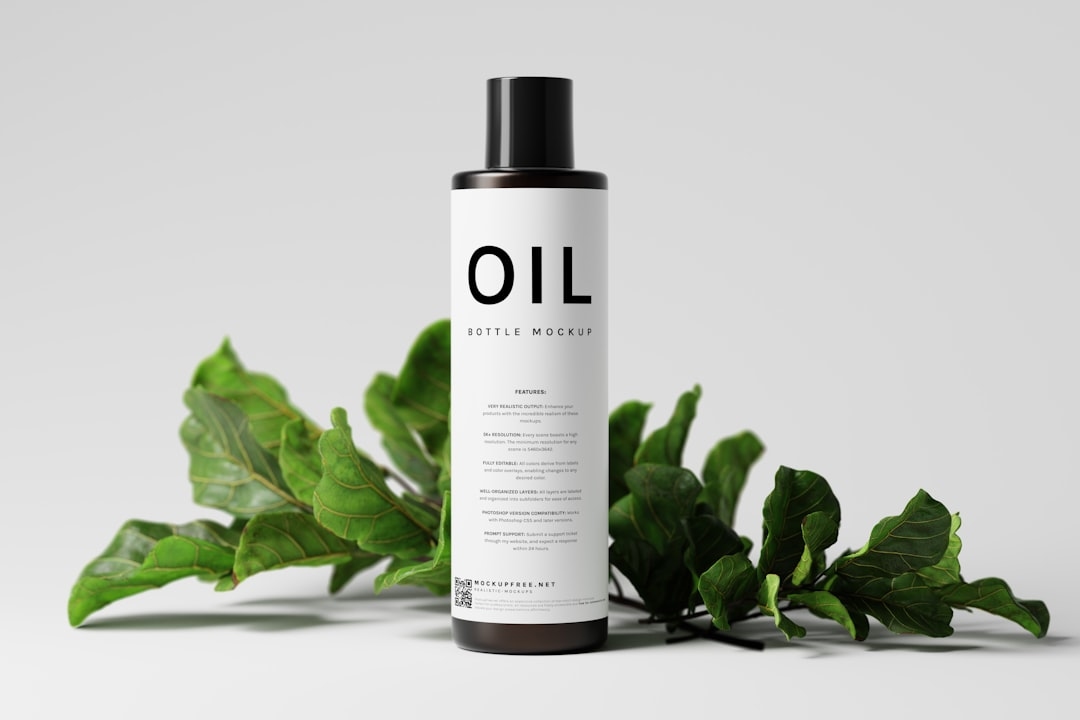
- Choose your oil: Select based on your hair type and concerns
- Measure: Use less than you think you need. Start with 1-2 tablespoons for shoulder-length hair. You can always add more; you can’t easily remove excess
- Warm the oil: Run the bottle under warm water for 30 seconds. Warm oil distributes more evenly than cold oil
- Section your hair: Divide into 4-6 sections using clips
- Apply: Work through each section, applying oil from mid-lengths through ends. Avoid the scalp initially (you can apply a small amount to scalp if desired, but be conservative)
- Massage gently: Spend 2-3 minutes massaging the oil through your hair, allowing it to coat thoroughly
- Protect: Use a shower cap or wrap hair in an old towel to prevent oil transfer to pillowcase
- Sleep: Leave in overnight (8-12 hours ideal)
- Wash out: Use warm water and regular shampoo, shampooing twice if necessary to remove oil
Advanced Method: Protective Barrier
- Follow basic method steps 1-7 above
- Instead of shower cap alone, use silk or satin pillowcase. This prevents oil transfer and is gentler on hair than cotton
- Sleep as normal; oil won’t transfer to pillowcase
- Wash out in morning using the same shampoo process
A silk pillowcase costs £15-35 from John Lewis or Amazon. The investment pays for itself within a few months if you regularly do overnight oil treatments—it eliminates pillowcase staining and makes the process genuinely convenient.
Expert Insight
Pro Tip from Celebrity Hairstylist Dr. Eleanor Hart: “I recommend overnight oils to clients with dry, curly, or colour-treated hair. The extended processing time genuinely benefits these hair types. For healthy straight hair, I suggest 30-minute oil treatments instead—you get the benefit without the overnight greasiness. The key is matching the treatment to your hair’s actual needs rather than doing overnight oils because it sounds good.”
Frequency: How Often Should You Do Overnight Oil Treatments?
- Dry, damaged, or curly hair: Once weekly or twice weekly
- Normal hair: Once every 2 weeks
- Fine or thin hair: Once monthly with lightweight oils only
- Oily hair/scalp: Skip overnight oils; use 30-minute treatments instead
More frequent than this risks product buildup. Less frequent than this won’t show noticeable benefits. Find your sweet spot within these ranges.
Common Mistakes
Using Too Much Oil
More oil isn’t better. Excess oil requires multiple shampoos to remove, damages your plumbing, and doesn’t provide additional benefit. Use the minimum amount necessary to coat your hair.
Leaving Oil In for 24+ Hours
Beyond 12 hours, oil buildup accelerates. Your scalp produces more oil trying to balance the external oil coating. Stick to 8-12 hours maximum.
Applying Oil to Soaking Wet Hair
Oil and water don’t mix. If your hair is soaking wet, water prevents oil absorption. Apply oil to towel-dried or damp hair instead. Water resistance is why applied oils should be applied to reasonably dry hair for proper distribution.
Skipping the Warm Wash
Cold water won’t remove oil from hair. Warm water (roughly 35-40°C) breaks the oil’s grip on the hair shaft. Use warm water for at least the first shampoo wash.
FAQ Section
Is overnight oil treatment better than daytime oil treatment?
Yes, for noticeable benefit. Eight hours of contact allows thorough coating of the entire hair shaft. A 30-minute daytime treatment provides minimal benefit unless combined with heat (blow-drying). Overnight treatments are superior because of the extended time.
Can I sleep on regular pillowcase with overnight oil?
You can, but you’ll likely stain it. Oils don’t wash out completely; your pillowcase will gradually become greasy. A silk pillowcase prevents this and costs £15-35. It’s worth the investment if you do overnight oils regularly.
Why doesn’t overnight oil remove greasiness in my hair?
If your hair remains greasy the next day despite two shampoo washes, you likely used too much oil. Use half the amount you used previously. Also, ensure your water is warm enough (35-40°C minimum) for the shampoo to penetrate and remove oil.
Can I do overnight oil treatments on very short hair?
Yes, though the benefit is minimal. Very short hair has less surface area to benefit from sealing. A 15-30 minute daytime treatment might suit short hair better than overnight treatment.
What if my scalp becomes oily from overnight oils?
Apply oil only to the ends, avoiding the scalp. If oil does reach your scalp, use a clarifying shampoo the next wash day. Alternatively, use lighter oils (jojoba, argan) less likely to irritate scalp.
Overnight oil treatments are genuinely beneficial for dry, curly, or damaged hair. One weekly treatment done correctly provides noticeable cumulative benefit over weeks. Use appropriate oil for your hair type, apply conservatively, protect your pillowcase, and wash thoroughly. Within a month of consistent weekly treatments, you’ll notice softer, shinier, less-frizzy hair. For people with fine or oily hair, daytime oil treatments are better—save overnight application for hair types that need intensive hydration.