Contents:
- What Sugaring Hair Removal Actually Is
- Quick Cost Breakdown
- Sugaring vs. Waxing: Key Differences
- Adhesion Properties
- Temperature and Comfort
- Allergic Reactions
- Hair Re-growth Patterns
- Expert Quote from Aesthetician Priya Kapoor
- Who Benefits Most From Sugaring
- People with Sensitive Skin
- People Prone to Ingrown Hairs
- People with Low Heat Tolerance
- People with Allergies to Wax Components
- Who Should Stick With Waxing
- Preparation and Aftercare for Sugaring
- Before Your Appointment
- After Your Appointment
- Sustainability and Eco-Friendly Angle
- What to Expect During Your First Appointment
- FAQ Section
- Is sugaring better than waxing?
- How long do sugaring results last?
- Is sugaring painful?
- Can I do sugaring at home?
- Why is sugaring harder to find than waxing?
You’ve heard about sugaring as a gentler alternative to waxing, but you’re not quite sure what it actually is or whether it’s worth trying. The technique is gaining popularity in UK salons, with practitioners claiming it’s superior to traditional waxing for sensitive skin. Here’s what you need to know about sugaring.
What Sugaring Hair Removal Actually Is
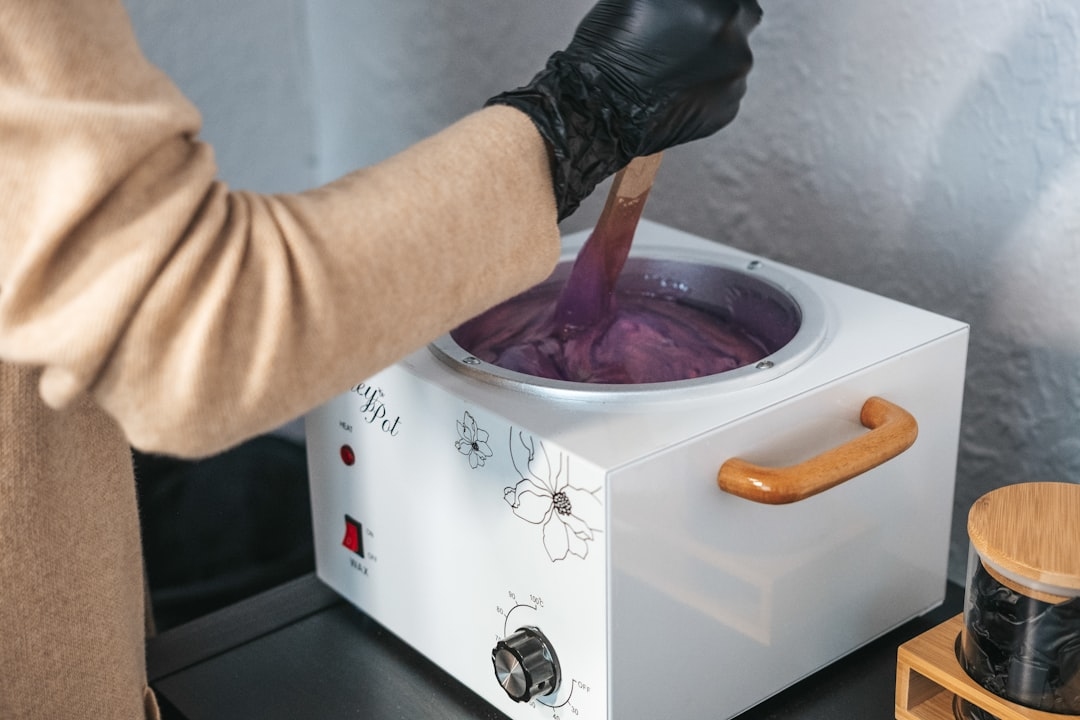
Sugaring hair removal uses a paste made from sugar, water, and lemon juice to remove hair from the root. The paste (also called sugar wax) adheres to hair rather than skin, making it less painful and irritating than traditional waxing. The technique is ancient—Egyptians used sugaring millennia before modern wax was developed.
The sugar paste is applied to clean, dry skin in the opposite direction of hair growth. A strip is then placed over the paste and quickly removed in the direction of hair growth (the opposite direction from application). This removes hair from the root, providing results lasting 3-6 weeks similarly to waxing.
Quick Cost Breakdown
Professional sugaring prices vary by location and body area:
- Small areas (underarms, bikini line): £15-£30
- Medium areas (half-leg): £25-£40
- Full leg sugaring: £35-£70
- Full body session: £80-£150
London and Southeast England charge premium prices (30-40% higher) compared to Northern regions. Initial consultation is often free to discuss skin type and hair removal goals.
Sugaring vs. Waxing: Key Differences
Adhesion Properties
Traditional wax adheres to both hair and skin. Sugaring paste primarily adheres to hair, with minimal skin contact. This fundamental difference explains why sugaring is gentler. Wax removal can take skin cells with it, causing irritation and redness. Sugaring removes hair with less trauma to surrounding skin.
Temperature and Comfort
Sugaring paste is applied at body temperature or slightly warmer (around 37-40°C). Wax requires higher heat (45-50°C or hotter). The lower temperature of sugaring feels more comfortable and causes fewer burns or blistering incidents. This is particularly important for people with sensitive skin or low heat tolerance.
Allergic Reactions
Wax sometimes triggers allergic reactions to added fragrances, preservatives, or the wax itself. Sugaring paste contains only three ingredients: sugar, water, and lemon juice (sometimes honey instead of lemon). Allergic reactions to pure sugaring are extremely rare—your body tolerates sugar and lemon juice without problem.
Hair Re-growth Patterns
Wax removal sometimes causes directional hair regrowth problems if removed incorrectly. Sugaring’s directional-specific removal (always with the hair growth direction) naturally prevents this issue. You’re less likely to develop ingrown hairs with sugaring than waxing.
Expert Quote from Aesthetician Priya Kapoor
Priya Kapoor, owner of Manchester’s Sugaring & Self salon, explains: “Sugaring is genuinely gentler than waxing. I see clients who’ve had bad experiences with wax—painful removal, burns, irritation—who come to me expecting sugaring to be similar. Their surprise when it’s actually gentle and less painful is common. The lower temperature, the gentle adhesion primarily to hair, and the directional removal all combine to create a genuinely better experience for sensitive skin.”
Who Benefits Most From Sugaring
People with Sensitive Skin
Eczema, rosacea, or sensitive skin conditions improve dramatically with sugaring over waxing. The gentler removal process causes less inflammation and irritation.
People Prone to Ingrown Hairs
Sugaring’s directional hair removal reduces ingrown hair incidence compared to waxing. If you’ve struggled with ingrown hairs after waxing, sugaring is worth trying.
People with Low Heat Tolerance
If hot wax burns concern you, sugaring’s body-temperature application eliminates this worry entirely.
People with Allergies to Wax Components
If you’ve had reactions to waxing, pure sugaring paste’s minimal ingredient list might eliminate the problem.
Who Should Stick With Waxing
People with very coarse or deeply rooted hair sometimes find waxing more effective at extracting stubborn hairs. Additionally, waxing is more widely available—every UK town has waxing salons, whilst sugaring availability is concentrated in larger cities. If you need convenient, frequent access, waxing’s ubiquity gives it an advantage.
Preparation and Aftercare for Sugaring
Before Your Appointment
Exfoliate gently 24 hours before sugaring to remove dead skin cells. Shower and wash the treatment area thoroughly on the day of appointment. Wear loose clothing to your appointment to prevent friction on freshly treated skin. Avoid sun exposure, exercise, and chlorine for 24 hours before as these can irritate skin.
After Your Appointment
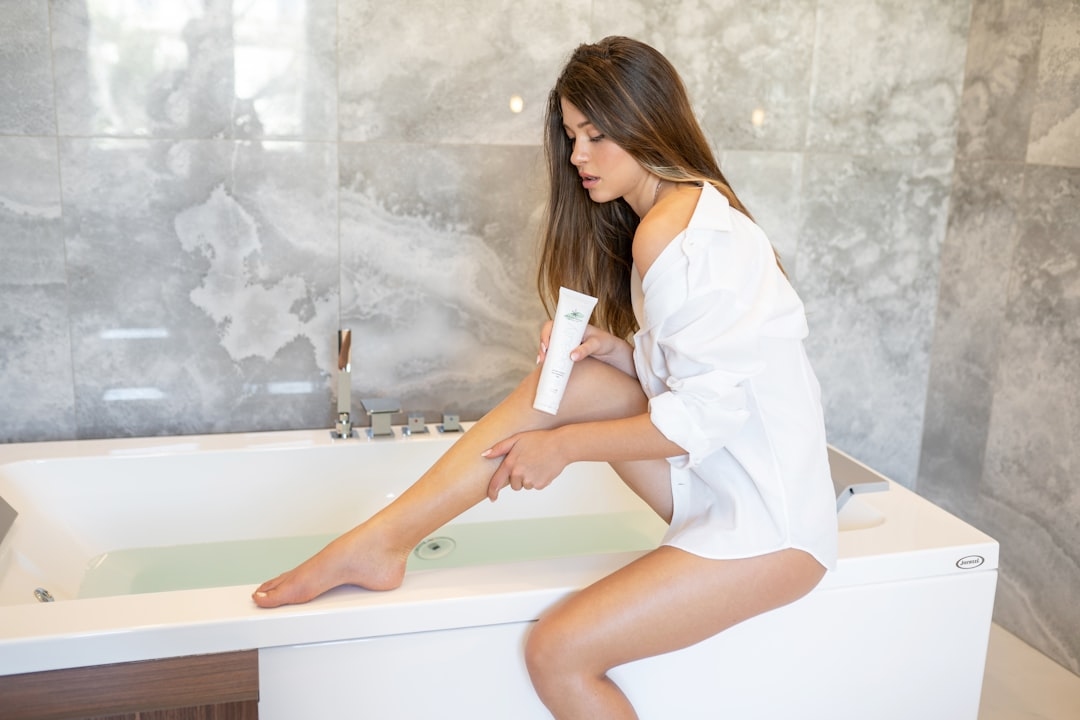
Avoid hot water, exercise, and sun exposure for 24-48 hours after treatment. Wear loose clothing. Apply a soothing lotion (£4-£8) containing aloe vera or chamomile. Some minor redness is normal and fades within hours to a day. Avoid tight clothing for at least 24 hours as friction can irritate treated skin.
Sustainability and Eco-Friendly Angle
Sugaring is significantly more sustainable than waxing. Sugar paste contains only food-grade ingredients and is completely biodegradable. Wax often contains synthetic ingredients and requires disposal as waste. Additionally, many sugaring practitioners reuse and recycle unused paste, whereas wax strips create single-use waste. From an environmental perspective, sugaring has measurable advantages.
What to Expect During Your First Appointment
Most practitioners will discuss your skin type, hair removal goals, and any sensitivity concerns. They’ll test a small patch of sugaring paste first, especially if you have sensitive skin. The actual removal process involves applying paste, then quickly removing it with a strip. Some people feel slight discomfort; others feel nothing. Thick, coarse hair may feel more irritation than fine hair.
First appointment timing: 30 minutes to 1 hour depending on area size. Results are immediate and visible—you’ll notice smooth skin immediately.
FAQ Section
Is sugaring better than waxing?
“Better” depends on your priorities. For sensitive skin and comfort, sugaring wins. For coarse hair or convenience/availability, waxing might win. Both remove hair effectively; choice depends on your specific needs and skin type.
How long do sugaring results last?
3-6 weeks, same as waxing. Some people find sugaring lasts slightly longer (26-28 days vs. 21-24 days for waxing), though this varies by individual hair growth rate.
Is sugaring painful?
Less painful than waxing for most people, though “painless” depends on individual pain tolerance. The lower temperature and gentler adhesion mean most people experience minimal discomfort.
Can I do sugaring at home?
Yes. DIY sugaring paste recipes exist online. However, application technique significantly affects results and comfort. Professional practitioners have years of experience; home attempts often produce inferior results. For first-time sugaring, professional treatment is recommended.
Why is sugaring harder to find than waxing?
Waxing has been established in salons for 50+ years; sugaring is newer to modern professional settings. As awareness grows, more salons add sugaring services. Availability is increasing, especially in larger UK cities.
Sugaring hair removal is an ancient technique experiencing modern revival—with good reason. It’s gentler than waxing, causes fewer ingrown hairs, suits sensitive skin, and is more environmentally sustainable. Results last 3-6 weeks like waxing but with less discomfort and irritation. If you’ve had bad experiences with waxing or have sensitive skin, sugaring deserves a try. As more salons across the UK offer this service, it becomes increasingly accessible to anyone interested in exploring gentler hair removal alternatives.