Contents:
- Understanding Baby Hair Loss
- The Biology Behind Baby Hair Loss
- Why Birth Hair Is Temporary
- How Much Hair Do Babies Lose
- Timeline: When Hair Loss and Regrowth Occurs
- Other Causes of Baby Hair Loss
- Caring for Baby Hair During Shedding
- Washing and Cleansing
- Managing the Appearance
- Nutrition and Health Support
- What the Pros Know
- Frequently Asked Questions
- Is baby hair loss preventable?
- Can I speed up regrowth?
- When should I worry about baby hair loss?
- Why does my baby’s new hair look completely different?
- Do all babies lose hair?
Most babies shed hair during their first few months of life as part of normal development. About 60% of newborns experience noticeable hair loss (telogen effluvium) within the first six weeks. This is temporary, and new hair growth typically begins by month four.
Understanding Baby Hair Loss
Parents often notice their newborn’s hair thinning noticeably during the first months of life, sometimes creating bald patches or leaving wispy strands across the crib. Many find this surprising, yet infant hair loss is one of the most common and completely natural occurrences in early childhood. Understanding why babies lose their hair helps parents distinguish between normal development and genuine concerns.
The Biology Behind Baby Hair Loss
Newborns begin losing hair because of a physiological process called telogen effluvium. During pregnancy, elevated oestrogen levels keep foetal hair in an extended growth phase. Once a baby is born and oestrogen levels drop sharply, those hairs transition into a resting phase (telogen phase), which precedes shedding. This explains why babies with thick hair at birth often appear nearly bald by their second or third month.
The timeline follows a predictable pattern. Hair begins falling out within the first two to four weeks of life and peaks around weeks three to five. Most shedding completes by month three or four, though some babies continue losing hair until month six. New hair growth begins simultaneously, though the texture, colour, and density of this regrowth frequently differs from the original birth hair.
Why Birth Hair Is Temporary
A baby’s birth hair developed in the womb under specific hormonal conditions that don’t persist after delivery. This foetal hair serves little biological purpose after birth, making shedding an efficient mechanism for replacing it with permanent hair suited to the baby’s own genetic makeup. The regrowth hair reflects the baby’s true hair genetics rather than residual maternal hormones.
How Much Hair Do Babies Lose
The amount varies dramatically. Some babies shed patchy areas that create visible scalp, whilst others lose hair gradually across the entire head. Density differences are significant too—a baby with a full head of dark hair at birth might grow back only light brown wisps, or vice versa. Parents should expect these variations as completely normal rather than signs of nutritional deficiency or health problems.
Monitoring shedding patterns helps identify what’s typical. Normal baby hair loss doesn’t result in complete baldness across large areas for extended periods, doesn’t appear inflamed or scaly, and doesn’t cause distress to the baby. If hair loss persists beyond six months, affects specific patches intensely, or shows signs of inflammation, consulting a health visitor or GP is prudent.
Timeline: When Hair Loss and Regrowth Occurs
- Week 1-2: Initial shedding begins as telogen phase activates
- Week 3-5: Peak shedding period; most noticeable hair loss occurs
- Month 2-3: Shedding continues but may slow as regrowth accelerates
- Month 4-6: New hair becomes visible; shedding typically completes
- Month 12+: Permanent hair pattern establishes; colour and texture stabilise
Individual variation is substantial. Premature babies often experience delayed shedding aligned with their corrected age rather than chronological age. Babies with darker birth hair might appear balder sooner because shed dark hairs are more visible against pale scalp. Those with lighter birth hair might seem less affected even though proportional shedding is similar.
Other Causes of Baby Hair Loss
Whilst telogen effluvium accounts for the vast majority of newborn hair shedding, other factors occasionally contribute. Friction from constant head contact with crib bedding can cause localised thinning, particularly on the back of the head. These friction-related patches (alopecia of prematurity) typically resolve once the baby’s activity increases and head position becomes more varied.
Rarely, underlying conditions merit investigation. Ringworm (a fungal infection) presents as scaly, inflamed patches with broken-off hairs rather than smooth shedding. Seborrheic dermatitis creates cradle cap—thick, yellowish crusting on the scalp—which differs from simple hair loss. Nutritional deficiencies that affect hair growth are uncommon in well-nourished infants but should be considered if shedding is accompanied by poor weight gain or other developmental concerns.
Caring for Baby Hair During Shedding
Washing and Cleansing
Gentle cleansing supports scalp health without accelerating shedding. Warm water and mild baby shampoo, used 2-3 times weekly, is sufficient. Avoid vigorous rubbing or harsh scrubbing, which unnecessarily stresses fragile hairs and irritates the scalp. If cradle cap develops (soft, yellowish scaling), regular gentle massage with warm oil and a soft brush helps lift flakes without damaging emerging hairs.
Managing the Appearance
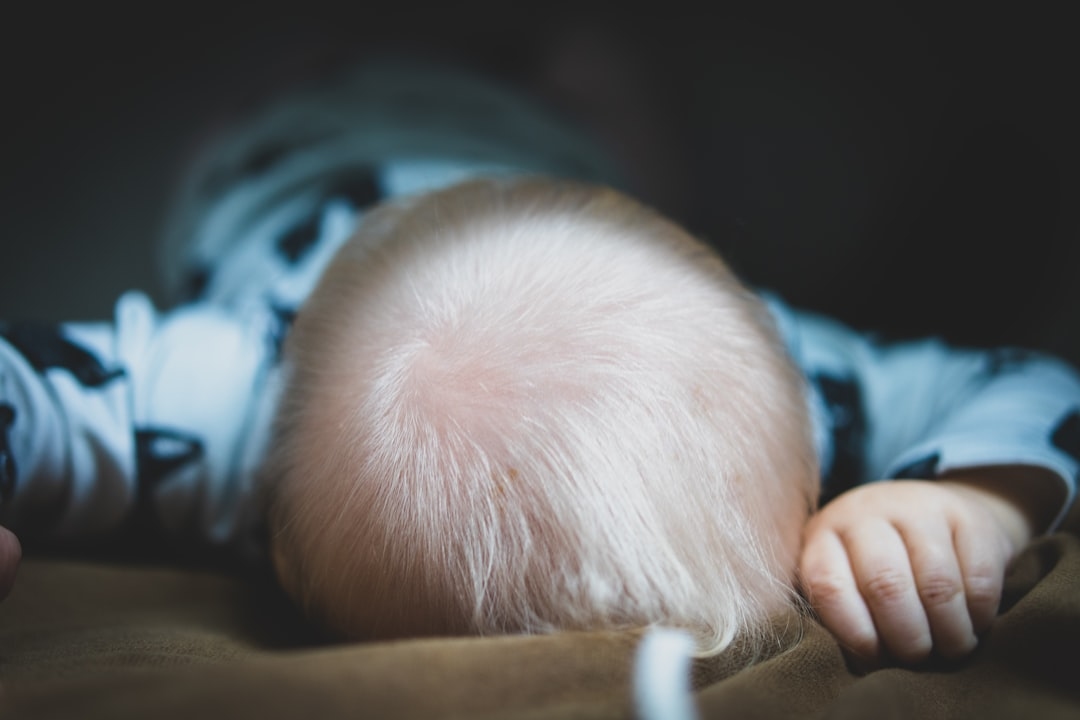
Accepting patchy hair for a few months is simpler than attempting to disguise it. Avoiding unnecessary products, hats, or tight hair accessories reduces friction. If the baby’s scalp shows any irritation, keeping the area dry and avoiding occlusive products prevents fungal or bacterial growth. Most parents find that by six months, the concern resolves naturally as new hair establishes itself.
Nutrition and Health Support
Healthy hair growth requires adequate nutrition, particularly iron, zinc, and protein. Breastfed babies typically receive optimal hair-supporting nutrients through breast milk. Formula-fed babies benefit from iron-fortified infant formula. Once solids are introduced around six months, offering iron-rich foods (fortified cereals, pureed meats, beans) and protein sources supports ongoing hair development.
What the Pros Know
Paediatricians and health visitors anticipate baby hair loss as a completely normal phenomenon, not a sign of illness or deficiency. They rarely recommend specific treatments, as the process resolves independently. If genuine concern exists, a simple consultation often reassures parents and rules out atypical patterns.
Frequently Asked Questions
Is baby hair loss preventable?
No. Telogen effluvium following birth is a biological process triggered by hormonal shifts. It cannot be stopped and does not indicate parenting mistakes or inadequate care. Accepting this normal transition is often easier than attempting prevention.
Can I speed up regrowth?
Regrowth happens on its own timeline, typically beginning by month four. No shampoo, oil, vitamin, or supplement genuinely accelerates this process. Gentle scalp care and good nutrition support healthy growth but cannot expedite the biological cycle.
When should I worry about baby hair loss?
Consult a GP if hair loss persists beyond month six, if bald patches become larger or appear inflamed, if the scalp shows signs of infection (redness, discharge, odour), or if other developmental delays accompany hair loss. Most cases require simple observation only.
Why does my baby’s new hair look completely different?
The new hair reflects your baby’s true genetic hair type, colour, and texture—not maternal hormones. A baby born with thick dark hair might regrow with fine blonde hair. This surprises many parents but reflects normal genetic expression rather than a concern.
Do all babies lose hair?
Most babies experience noticeable shedding, but intensity varies. Some show obvious bald patches whilst others shed gradually. Babies born with sparse hair may show less visible loss. The underlying biological process occurs in nearly all newborns, though its visibility differs.
Baby hair loss typically resolves completely by month six, leaving parents with a fuller understanding of their child’s emerging appearance. The experience normalises the variability of human development and reinforces that visible changes during infancy often reflect healthy physiology rather than problems. By your baby’s first birthday, permanent hair patterns are usually established.