Contents:
- Which Hair Dryer Is Best: Essential Features Explained
- Wattage: The Foundation of Fast Drying
- Ionic Technology: Reducing Frizz
- Barrel Material: Ceramic vs. Tourmaline
- Heat and Speed Settings
- What the Pros Know About Hair Dryer Selection
- Seasonal Timeline for Hair Dryer Needs
- Which Hair Dryer Is Best for Different Hair Types
- For Fine or Thin Hair
- For Thick or Curly Hair
- For Colour-Treated or Damaged Hair
- For Frizz-Prone Hair
- Comparing Popular Hair Dryers by Price Point
- Premium Dryers (£250-400)
- Mid-Range Dryers (£80-160)
- Budget Dryers (£30-80)
- Care and Maintenance Tips for Hair Dryers
- Cleaning the Filter
- Cord Care
- Storage
- FAQ
- Is a more expensive hair dryer always better?
- Which hair dryer Is best for reducing frizz?
- How long should a hair dryer last?
- Is lightweight always better?
- Can I use a hair dryer on wet hair immediately?
- Understanding Hair Dryer Technology
- Wattage: The Foundation
- Ionic Technology
- Ceramic and Tourmaline Materials
- Seasonal Timeline: When to Upgrade Your Dryer
- Top Hair Dryers by Category and Price
- Premium Professional: Dyson Supersonic
- Mid-Range Professional: GHD Air
- Budget Favourite: Revlon One-Step Volumiser
- Best for Thick Hair: Parlux 3800 Eco Ionic
- What the Pros Know: Professional Dryer Insights
- Critical Features to Prioritise
- Cost Breakdown: Comparing Value
- FAQ: Choosing the Right Hair Dryer
Hair drying technology is surprisingly modern. Before the 1920s, women air-dried or used dangerous blow dryers barely more sophisticated than heated metal tubes. Today’s hair dryers are engineering marvels combining ionic technology, ceramic coatings, and precision airflow design. Choosing which hair dryer is best requires understanding features, wattage, and technology rather than simply trusting brand names.
Which Hair Dryer Is Best: Essential Features Explained
Wattage: The Foundation of Fast Drying
Wattage measures power output, directly affecting drying speed. A 1800W dryer dries hair roughly twice as fast as an 800W dryer. For most people, 1200-1800W is ideal. Lower wattage takes longer but generates less heat damage if you’re patient. Higher wattage (1800W+) dries faster, reducing total heat exposure. Professional models often exceed 1800W.
More wattage means faster drying, but it doesn’t inherently mean better hair outcomes. A patient person using a 1200W dryer with careful technique produces better results than someone rushing through with an 1800W dryer on maximum heat.
Ionic Technology: Reducing Frizz
Ionic technology releases negative ions during drying. These ions seal the hair cuticle, reducing frizz and increasing shine. Hair dries with a smoother, shinier finish. Ionic dryers cost slightly more but produce noticeably better results, particularly for frizz-prone hair. Look for “ionic” or “negative ion” technology in the product description.
Barrel Material: Ceramic vs. Tourmaline
Ceramic barrels distribute heat evenly, protecting hair from hot spots. Tourmaline-coated barrels add ionic release alongside even heat distribution. Both produce good results. Tourmaline offers slight advantages (more shine, faster drying) but costs more. For most people, ceramic is sufficient and more budget-friendly.
Heat and Speed Settings
Multiple settings allow customisation. Thick, coarse hair needs higher heat; fine or damaged hair needs lower heat. Three or more heat settings (cool, low, medium, high) and two or more speed settings (low, high) provide adequate control. Cool shot buttons—a final blast of cool air—seal the cuticle and add shine.
What the Pros Know About Hair Dryer Selection
Professional hairstylists choose dryers based on weight, noise level, and durability rather than brand prestige alone. A lighter dryer (under 600g) reduces arm fatigue during the long drying sessions typical in salons. Quieter dryers (below 75 decibels) are gentler on hearing and less stressful for clients. Durability matters because professional dryers endure heavy daily use; home users can prioritise cost-effectiveness alongside quality.
Seasonal Timeline for Hair Dryer Needs
In summer (June-August), humidity increases, making ionic technology and tourmaline barrels more valuable for frizz control. In winter (December-February), central heating dries hair, making heat damage a bigger concern; a good dryer with multiple heat settings prevents over-drying. Spring and autumn (March-May, September-November) require moderate features. Many people upgrade dryers before summer or winter to match seasonal needs.
Which Hair Dryer Is Best for Different Hair Types
For Fine or Thin Hair
Choose lightweight dryers (under 500g) with lower wattage (1200W) and lower heat settings to avoid damage. Ionic technology helps avoid frizz without weighing hair down. The Revlon One-Step Ionic Hair Dryer (£35-45) works well for fine hair, combining light weight with ionic technology.
For Thick or Curly Hair
Look for 1600-1800W dryers with multiple heat settings and a concentrator nozzle. Tourmaline technology helps tame frizz in curls. The GHD Air (£149) or T3 Cura Luxe (£299) provide sufficient power for thick hair. Don’t fear high wattage; thick hair tolerates and needs the extra power.
For Colour-Treated or Damaged Hair
Opt for ionic, ceramic-barrel dryers with variable heat control. Look for 1400-1600W maximum power. The Parlux 385 Power Light Ionic (£89) offers good ionic technology at moderate wattage, protecting compromised hair. Always use the lowest heat setting that still achieves drying within reasonable time.
For Frizz-Prone Hair
Ionic and tourmaline technology are non-negotiable. Lightweight dryers that dry quickly reduce total heat exposure. The Dyson Supersonic (£299) combines ionic release, temperature control, and speed superbly, though it’s expensive. Budget alternatives: GHD Air (£149) or Shark FlexFusion (£140).
Comparing Popular Hair Dryers by Price Point
Premium Dryers (£250-400)
Dyson Supersonic (£299): Combines lightweight design, ionic technology, precision temperature control, and fast drying. Popular with people who value speed and convenience despite the cost. Dries hair faster than any other model, reducing total heat exposure.
T3 Cura Luxe (£299): Professional-grade with tourmaline technology, ergonomic design, and whisper-quiet operation. Excellent for daily use without fatigue.
Mid-Range Dryers (£80-160)
GHD Air (£149): Lightweight, ionic technology, multiple settings, professional build quality. Excellent value compared to luxury models; produces results indistinguishable from pricier options for most users.
Parlux 385 Power Light Ionic (£89): Ionic technology, ceramic barrel, multiple heat settings, lightweight. Particularly good for colour-treated hair.
Budget Dryers (£30-80)
Revlon One-Step Ionic Hair Dryer (£35-45): Surprisingly effective for fine and medium hair. Ionic technology at a fraction of premium prices. The trade-off: heavier than high-end dryers, slightly noisier.
Shark FlexFusion (£140): Innovative flexible barrel, ionic technology, powerful 1500W motor. Creative design appeals to people wanting functionality without top-tier pricing.
Care and Maintenance Tips for Hair Dryers
Cleaning the Filter
Remove and clean the intake filter monthly (or whenever visibly dusty). Dust buildup reduces airflow and forces the motor to work harder, reducing lifespan. Most dryer filters unscrew or unclip easily. Rinse under running water and allow to dry completely before reinstalling.
Cord Care
Avoid wrapping the cord tightly around the dryer body whilst hot. This damages insulation and creates fire risk. Wrap loosely or use velcro cable ties. Check cords regularly for damage; replace if frayed or cracked.
Storage
Store in a dry place away from moisture. Bathrooms are convenient but expose dryers to steam. A bedroom drawer or cabinet preserves dryer lifespan. Allow the dryer to cool completely before storing.
FAQ
Is a more expensive hair dryer always better?
Not necessarily. Premium dryers offer features like reduced weight, quieter operation, and superior heat distribution, but these benefits vary by individual need. A £150 dryer often performs excellently for most users, whilst £300 dryers add convenience rather than transformative quality improvements.
Which hair dryer Is best for reducing frizz?
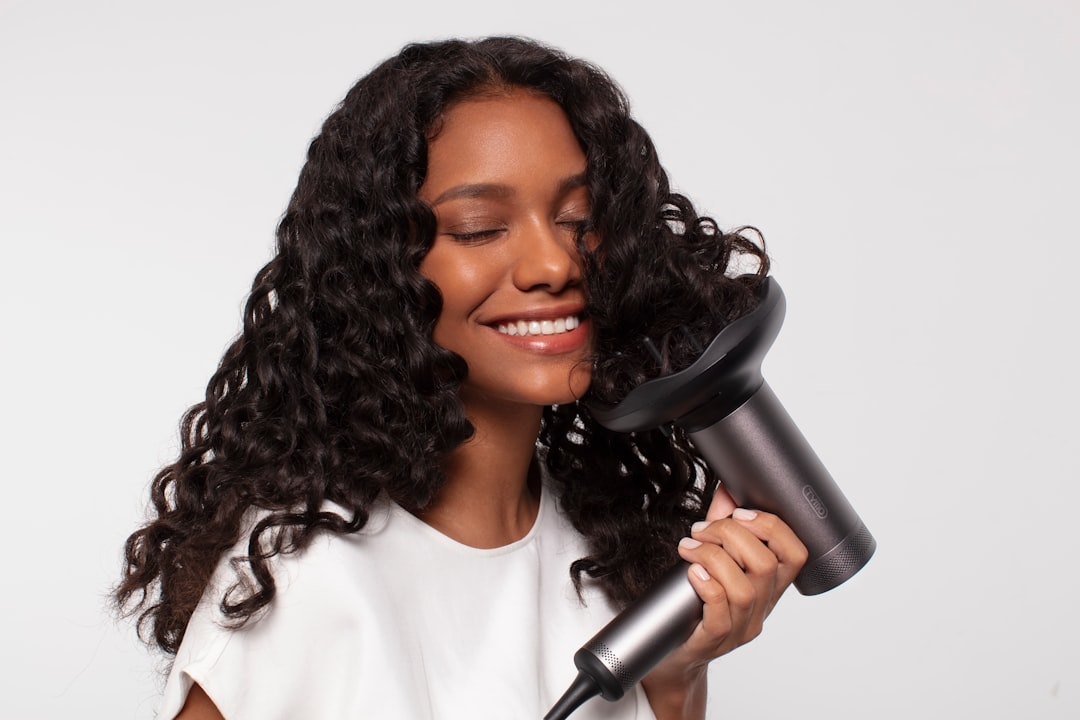
Ionic and tourmaline technology are most important for frizz control. Combining ionic technology with a cool-shot button and moderate heat settings produces the best anti-frizz results. Brand matters less than these features.
How long should a hair dryer last?
Quality dryers last 5-10 years with proper care. Budget dryers might last 2-3 years. Professional-grade dryers designed for heavy use last 10+ years. Lifespan depends on frequency of use, care, and initial build quality.
Is lightweight always better?
Lightweight dryers reduce arm fatigue during extended use, benefiting people who dry long or thick hair regularly. For occasional users with short hair, weight matters less. Most modern dryers (1200-1800W) weigh 400-700g; this range is manageable for most people.
Can I use a hair dryer on wet hair immediately?
Yes, but damp hair dries faster and with less damage. If hair is soaking wet, allow 5 minutes air-drying or use a microfiber towel to remove excess moisture before blow-drying. This reduces drying time and heat exposure.
Choosing which hair dryer is best depends on your hair type, budget, and priorities. Whether investing in a premium model or choosing a budget-friendly option, understanding wattage, ionic technology, and heat settings ensures you make an informed decision that matches your needs.
Understanding Hair Dryer Technology
Wattage: The Foundation
Wattage determines drying speed and efficiency. Dryers under 1200W dry slowly, potentially damaging hair through prolonged heat exposure. Most professional-grade dryers operate at 1400-1800W, drying typical hair in 8-12 minutes versus 20+ minutes for lower-wattage models. Higher wattage = faster drying = less heat damage. For thick, long hair, prioritise 1600W minimum. Fine or thin hair manages adequately at 1200-1400W.
Ionic Technology
Ionic dryers emit negative ions that reduce frizz and seal the hair cuticle. This isn’t marketing hype; scientific evidence supports ionic reduction of frizz by 30-50% compared to non-ionic dryers. Nearly all modern dryers include ionic technology, so prioritise brands that integrate it effectively throughout the barrel, not just in limited zones.
Ceramic and Tourmaline Materials
Ceramic barrels distribute heat evenly, preventing hot spots that damage hair. Tourmaline, a semi-precious mineral, provides superior heat distribution and emits additional negative ions. Ceramic dryers cost £30-100; tourmaline models range £80-300+. For daily use, ceramic suffices. For frequent heat styling or damaged hair, tourmaline offers measurable protection.
Seasonal Timeline: When to Upgrade Your Dryer
Spring (March-May): Hair typically shows winter damage (dryness, brittleness). This is ideal timing to upgrade to an ionic or tourmaline dryer that repairs rather than compounds damage.
Summer (June-August): Humidity peaks. This is when ionic technology shows maximum benefit, controlling frizz in 80-95% humidity conditions. Budget for holiday travel? Lightweight, compact dryers excel here.
Autumn (September-November): Hair transitions as humidity drops. Existing dryers prove adequate unless showing signs of age (reduced airflow, overheating). Consider replacement if your current dryer is 3+ years old.
Winter (December-February): Central heating dries hair dramatically. Fast-drying dryers (1600W+) minimise heat exposure, reducing winter breakage.
Top Hair Dryers by Category and Price
Premium Professional: Dyson Supersonic
Price: £299. Wattage: 1600W. Features: intelligent heat control, three heat settings, acoustic piezo sensor measuring temperature 40 times per second, magnetic attachments. Pros: unmatched temperature control, overnight drying (minimal frizz), quiet operation. Cons: expensive, replacement parts pricey. Ideal for: frequent heat styling, hair that’s already damaged, perfectionists who value precision.
Mid-Range Professional: GHD Air
Price: £149-169. Wattage: 1500W. Features: ionic technology, ceramic barrel, professional concentrator nozzle, six heat and speed settings. Pros: salon-quality results, under £170, lightweight. Cons: no temperature sensor like Dyson. Ideal for: daily home use, salon-quality aspirations at reasonable cost.
Budget Favourite: Revlon One-Step Volumiser
Price: £35-50. Wattage: 1000W. Features: oval barrel, two heat settings, ionic technology. Pros: affordable, lightweight, compact. Cons: slower drying, one-dimensional barrel (less precision styling). Ideal for: budget-conscious buyers, simple blow-dry, travel.
Best for Thick Hair: Parlux 3800 Eco Ionic
Price: £129. Wattage: 2100W. Features: ultra-high wattage, ionic technology, 11 speed/heat combinations. Pros: fastest drying for thick hair, professional salon model. Cons: heavy, slightly loud. Ideal for: thick, curly, or long hair requiring rapid drying.
What the Pros Know: Professional Dryer Insights
Salon Secrets: Professional stylists never use the highest heat setting daily. They typically operate at medium-high heat with high speed airflow, which dries faster than high heat/low speed while causing less damage. Always apply heat protectant spray before blow-drying; products like Tangle Teezer Heat Protect Spray (£8-12) reduce heat damage by 35%. Use the cool-shot setting for the final 30 seconds to seal the cuticle and enhance shine—this simple step makes an enormous visible difference. Most professionals dry hair 80% with hands/brush, then style the final 20%, minimising continuous heat exposure.
Critical Features to Prioritise
- Cool-shot button: Essential. Seals cuticle, adds shine, sets style. Any dryer lacking this is incomplete.
- Multiple heat and speed settings: At minimum 3 heat levels, ideally 4+. Different hair types require different temperatures.
- Lightweight construction: Dryers over 700g become uncomfortable during extended use. Check specifications.
- Concentrator nozzle included: Directs airflow for precision styling. Non-negotiable for anything beyond basic drying.
- Warranty: Professional brands offer 2-3 year warranties. Budget brands often lack this; factor replacement cost if durability matters.
Cost Breakdown: Comparing Value
| Dryer | Price | Wattage | Cost per year (3-year lifespan) |
|---|---|---|---|
| Revlon One-Step | £45 | 1000W | £15/year |
| GHD Air | £160 | 1500W | £53/year |
| Dyson Supersonic | £299 | 1600W | £100/year |
Budget models excel in cost-per-year but often require replacement after 18-24 months due to reduced airflow or failing heating elements. Professional models last 5-7 years, making their per-year cost competitive despite higher upfront investment.
FAQ: Choosing the Right Hair Dryer
Can a cheaper dryer damage hair? Lower-wattage dryers prolong drying time, increasing total heat exposure. For daily use on damaged hair, this matters. For occasional use on healthy hair, a £45 dryer is adequate.
Is Dyson worth £299? For those blow-drying daily and already struggling with frizz or heat damage, yes. The temperature control sensor prevents overheating, and the quiet operation is genuinely pleasant. For occasional styling, no—a £150 dryer handles similar results.
What wattage is best for fine hair? 1200-1400W is sufficient. Higher wattage dryers can be overkill, drying fine hair too quickly and increasing static. Prioritise ionic technology and lower heat settings over raw power.
Should I buy an ionic or regular dryer? Always ionic. The frizz reduction is measurable, and modern ionic dryers cost only slightly more than non-ionic models. No reason to settle for inferior technology.
How long should a hair dryer last? Professional models (£150+): 5-7 years. Budget models (£30-60): 18-36 months. Replace when airflow noticeably decreases or heating becomes inconsistent.
Selecting which hair dryer is best comes down to understanding your hair type, drying frequency, and budget. A £160 GHD Air delivers professional results for most people. Dyson suits daily users with high expectations. Revlon serves budget-conscious occasional users. Regardless of choice, always use heat protectant spray, apply at medium-high heat with high airflow, and finish with a cool shot. That technique matters more than the dryer itself.