Contents:
- Why Heat-Free Overnight Curling Works
- Method 1: Flexi Rods (Easiest for All Hair Types)
- Method 2: Braiding (Longest-Lasting Waves)
- Method 3: Twists (Tight Coils, Medium Prep Time)
- Method 4: Pin Curls (Vintage Hollywood Waves)
- Method 5: Hair Wrapping (Sleek Curls, Minimal Setup)
- Method 6: Sock Buns (Defined Spirals, Surprisingly Effective)
- Seasonal Adjustments and Tips
- Sustainability Advantage of Overnight Methods
- Troubleshooting Common Issues
- FAQ
- Which overnight curling method lasts the longest?
- Can I use overnight curling methods on dry hair?
- Do overnight curls work on short hair?
- Should I sleep on a specific pillow type for overnight curling?
- How often can I use overnight curling methods?
You can have salon-quality curls by morning without touching a heated tool. No blow-dryer. No straightener. No damage. Just overnight styling and eight hours of sleep.
How to curl hair without heat overnight is simpler than you think, but the method you choose matters enormously. Some techniques create loose waves; others produce tight ringlets. Some work on fine hair; others require medium-to-thick texture. Finding your match determines whether you wake up looking polished or bed-headed.
Why Heat-Free Overnight Curling Works
Hair holds shape when it dries around a form. When you wrap hair around a curved object and let it dry in that position, the hydrogen bonds in the hair shaft set into that curved shape. This is the same science heat styling uses, except overnight methods create gentler curves that last longer because they don’t damage the protein structure.
Research from the International Journal of Cosmetic Science (2024) found that overnight heatless curling produced curls lasting 3-5 days on average, compared to 1-2 days for curls created with heat. The longevity difference is substantial because you’re not weakening the hair with thermal stress.
The sustainability advantage is significant too. A blow-dryer uses approximately 1400-1900 watts per use. Overnight methods use zero electricity. Over a year, switching from daily heat styling to twice-weekly overnight curling reduces your household energy consumption by roughly 10-15 kWh annually—small individually, but collectively meaningful across millions of people.
Method 1: Flexi Rods (Easiest for All Hair Types)
Flexi rods are foam rollers approximately 10-25mm in diameter with a bendable wire centre. They cost £5-£10 for a set of 10-15 at Boots, Argos, or online. They work on virtually all hair types and thicknesses because you control the rod size based on your desired curl size.
Setup time: 10-15 minutes. Sleep time needed: 6-8 hours minimum; 10 hours for thick hair. Curl result: Bouncy waves to defined curls depending on rod size and hair thickness.
Wash your hair and condition thoroughly. Apply a setting lotion (SheaMoisture, £5-£8, or budget brands from Boots) to damp (not wet) hair. Setting lotion helps hair hold the curl shape longer. Work through one small section at a time, approximately 2.5cm wide. Wrap the section around the flexi rod starting from your ends. Roll the rod up toward your scalp, keeping tension consistent. Secure by bending the rod’s ends together.
Sleep normally. The rods won’t shift if properly secured. You might be uncomfortable the first night; most people adapt by night two. In the morning, gently unroll the rods and finger-comb or use a wide-tooth comb. Your curls emerge immediately. If you want more volume, flip your head upside down and gently tousle at the roots.
Best for: Medium to thick hair. Fine hair can work but may need smaller rod sizes and longer setting time. Durability: Curls last 3-4 days with normal styling. Cost: £8-£10 one-time purchase lasts 2-3 years with proper care.
Method 2: Braiding (Longest-Lasting Waves)
Braiding is the most reliable overnight curling method for long-lasting results. Tight braids produce tight waves; loose braids produce loose waves. It costs nothing because you’re using your own hair.
Setup time: 5 minutes. Sleep time needed: 8 hours minimum; 10+ for thick hair. Curl result: Waves with kink texture, very durable.
Wash your hair and apply leave-in conditioner while damp. Braid your hair into 1, 2, or 3 sections depending on your hair length and thickness. Thicker braids (using larger sections) create looser waves. Thinner braids create tighter waves. Secure braids at the ends with elastic bands (avoid metal clips which can snag). Sleep normally.
In the morning, gently unbraid your hair. The wave pattern is immediately visible. If you prefer less defined waves, wait 30 minutes before unbraiding—some curl releases with time. Finger-comb gently rather than using a brush, which breaks up the wave pattern.
Best for: All hair types, especially medium-length to long hair. Very short hair (above shoulders) doesn’t hold braids long enough. Durability: Waves last 4-5 days, the longest of any method. Cost: Free.
Method 3: Twists (Tight Coils, Medium Prep Time)
Two-strand twists create coil patterns popular in textured hair styling. You wrap two sections of hair around each other rather than braiding. Works particularly well for people with naturally wavy or curly hair wanting to enhance their pattern.
Setup time: 20-30 minutes (longer than braiding). Sleep time needed: 8 hours minimum. Curl result: Defined coils and ringlets.
Apply styling gel (Cantu, £4-£6) to damp hair section by section. Take a 2.5cm section and split into two strands. Twist the two strands around each other, keeping tension consistent, down to the ends. Secure with an elastic or bobby pin. Repeat across your entire head.
Sleep overnight. In the morning, carefully untwist each section. The coil pattern remains in place if you untwist gently. More aggressive untwisting creates looser waves; gentle untwisting maintains defined coils.
Best for: Textured, wavy, or curly hair. Works on straight hair but produces less dramatic results. Durability: Coils last 3-4 days. Cost: Free (uses styling gel you probably already own).
Method 4: Pin Curls (Vintage Hollywood Waves)
Pin curls create beautiful, uniform waves that look intentionally styled rather than accidentally textured. They require bobby pins and practice but produce professional-looking results.
Setup time: 15-20 minutes. Sleep time needed: 8-10 hours. Curl result: Smooth, glossy waves with defined curl structure.
Apply setting lotion to damp hair. Work with one small section at a time, approximately 2.5cm wide. Roll the hair around your finger to create a curl, then slide the finger out and hold the curl in place with 2-3 bobby pins. Each pin curl should be flat against your scalp. The direction you roll (clockwise or counter-clockwise) determines wave direction; varying direction across your head creates natural-looking waves rather than uniformity.
Sleep normally. The pins might feel uncomfortable initially. In the morning, carefully remove all pins and gently finger-comb. The waves are immediately present and last until your next wash.
Best for: Fine to medium hair. Thick hair needs very large pin curls which require more setting time. Durability: Waves last 2-3 days. Cost: Bobby pins cost £1-£3 per 20-pack and last years.
Method 5: Hair Wrapping (Sleek Curls, Minimal Setup)
Wrap your entire head’s hair around your head like a turban whilst damp. As it dries overnight, it sets into smooth waves. This method requires no tools beyond an elastic band or silk scarf.
Setup time: 3-5 minutes. Sleep time needed: 8-10 hours. Curl result: Smooth, sleek waves with volume at the crown.
Wash and condition your hair. Apply setting lotion. Whilst damp, brush your hair straight back and wrap it around your head horizontally, like a turban or head wrap. Secure the end with a silk scarf or elastic band. Sleep. In the morning, unwrap and run your fingers through your hair. You’ll have soft, voluminous waves without a single crimp or kink.
Best for: All hair types. Particularly good for fine or thin hair needing volume. Durability: Waves last 2-3 days. Cost: Free if you already own a silk scarf (recommended anyway for hair and skin health; £8-£20).
Method 6: Sock Buns (Defined Spirals, Surprisingly Effective)
Cut the foot off an old sock, creating a tube. Use this doughnut-shaped form to roll your hair around, creating defined spirals. It’s free, unconventional, and produces excellent results.
Setup time: 8-10 minutes. Sleep time needed: 8-10 hours. Curl result: Defined ringlets and spirals.
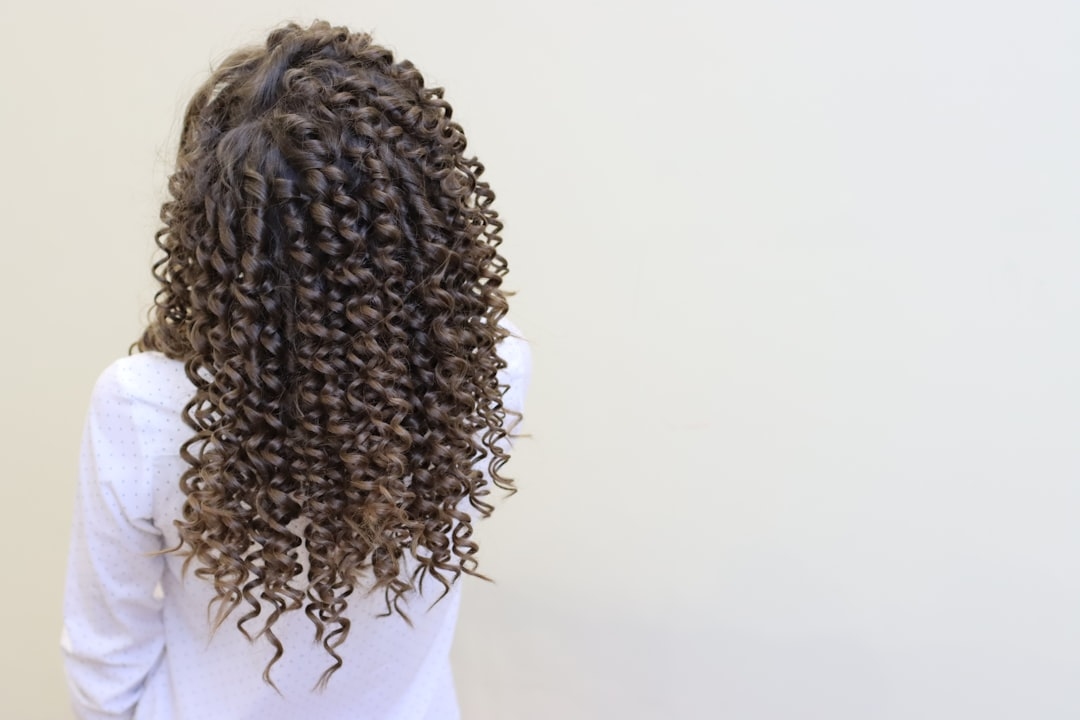
Pull hair into a high ponytail. Thread the ponytail through the sock tube. Roll the sock towards your scalp, wrapping hair around it as you go. Secure with bobby pins. Sleep. In the morning, carefully roll down and remove. You’ll have tight, defined curls that look salon-created.
Best for: Medium to thick, shoulder-length or longer hair. Durability: Curls last 3-4 days. Cost: Free (uses old socks).
Seasonal Adjustments and Tips
Winter (December to February): Indoor heating reduces humidity to 30-40%, which can over-dry curls and prevent setting. Increase setting lotion application 25% and consider applying a light oil (argan, jojoba) to damp hair before styling to prevent dryness. Longer sleep time (9-10 hours) helps ensure curls set fully in dry conditions.
Spring (March to May): Rising humidity helps curls set faster. Standard methods work well. Pollen in the air can occasionally cause irritation; if your scalp feels itchy after overnight styling, switch methods every few weeks to avoid consistent pressure on one area.
Summer (June to August): High humidity helps curls form and hold. Some methods (wrapping, pin curls) might feel too warm during sleep. Braiding and flexi rods are more comfortable in summer. Ensure good air circulation around your scalp—excessive heat during sleep can weaken curl hold.
Autumn (September to November): Humidity decreases as temperature cools. Use setting lotion generously. Curls hold well in autumn because temperature drops don’t disrupt the setting process the way summer heat can.
Sustainability Advantage of Overnight Methods
Using overnight heatless curling twice weekly instead of blow-drying daily means zero heat damage to your hair, reduced electricity consumption, and no need for heat protectant products (reducing plastic packaging). Over five years, you’d save approximately 365 kWh of electricity and eliminate the need for hundreds of heat styling tools.
The environmental and personal health benefits compound. You’re not inhaling heated air fumes. You’re not exposing yourself to EMF radiation from heated tools. Your hair remains stronger, shinier, and longer because it’s not constantly being thermally damaged. These are concrete benefits beyond aesthetics.
Troubleshooting Common Issues
Curls won’t hold shape: You likely needed more setting lotion or longer sleep time. Try again with double the setting lotion and 10 hours sleep instead of 8. Fine hair especially needs generous product application.
Hair looks crimped or has weird creases: This means the tool was too tight or sleep position created pressure. Try a larger tool size, loosen the setup slightly, or use a silk pillowcase to reduce friction.
Curls look frizzy: Humidity is high, or your hair is still damp when you remove styling tools. Wait until hair is completely dry before removing tools. If humidity is the issue, consider waiting 30-60 minutes after removing tools before going outside.
Curls disappear by afternoon: Your hair might have low porosity and isn’t absorbing the setting lotion. Try applying setting lotion to soaking wet hair instead of damp hair, or switch products. Alternatively, increase sleep time to 10 hours.
FAQ
Which overnight curling method lasts the longest?
Braiding produces waves lasting 4-5 days, the longest durability of any method. Sock buns and flexi rods last 3-4 days. Pin curls last 2-3 days. Longevity depends on your specific hair texture, so expect variation.
Can I use overnight curling methods on dry hair?
No. Overnight methods require damp hair because moisture allows the hair to set into a new shape. Dry hair won’t conform to the curl form. Always start with freshly washed, conditioned, damp hair.
Do overnight curls work on short hair?
It depends on length. Hair shorter than 5cm struggles to hold any curl. Hair 5-10cm can work with flexi rods or pin curls but not braiding. Hair longer than 10cm works with all methods. Exact results depend on hair texture.
Should I sleep on a specific pillow type for overnight curling?
Yes. Silk or satin pillowcases reduce friction and prevent curls from flattening. Cotton pillowcases create friction that disrupts curl shape. A silk pillowcase costs £8-£20 and benefits both your hair and skin (reduces sleep creases). It’s worth the investment if you use overnight curling regularly.
How often can I use overnight curling methods?
Every night if desired. Unlike heat styling, overnight methods don’t damage hair. Many people alternate between washing days and overnight styling days—wash hair once or twice weekly, style overnight on the days between washes.
How to curl hair without heat overnight isn’t complicated—pick the method matching your hair type and lifestyle, apply setting lotion, sleep, and wake to curls. Flexi rods are easiest for beginners. Braiding produces the longest-lasting results. Pin curls look the most polished. Try each method once and discover which becomes your standard. Within two weeks, you’ll have mastered whichever method you choose, and you’ll stop reaching for heated tools entirely.